Article At A Glance
- Cancel culture relies on three psychological steps: spotting a transgression, feeling intense negative emotion, and acting out visible punishment.
- Canceling differs from ghosting and boycotting because it’s public, retaliatory, and often disproportionate to the original offense.
- Social media acts as an accelerant, turning isolated outrage into viral pile-ons through a contagion-like spread.
- Unpack why cancelers themselves often experience a psychological shift that bypasses empathy altogether.
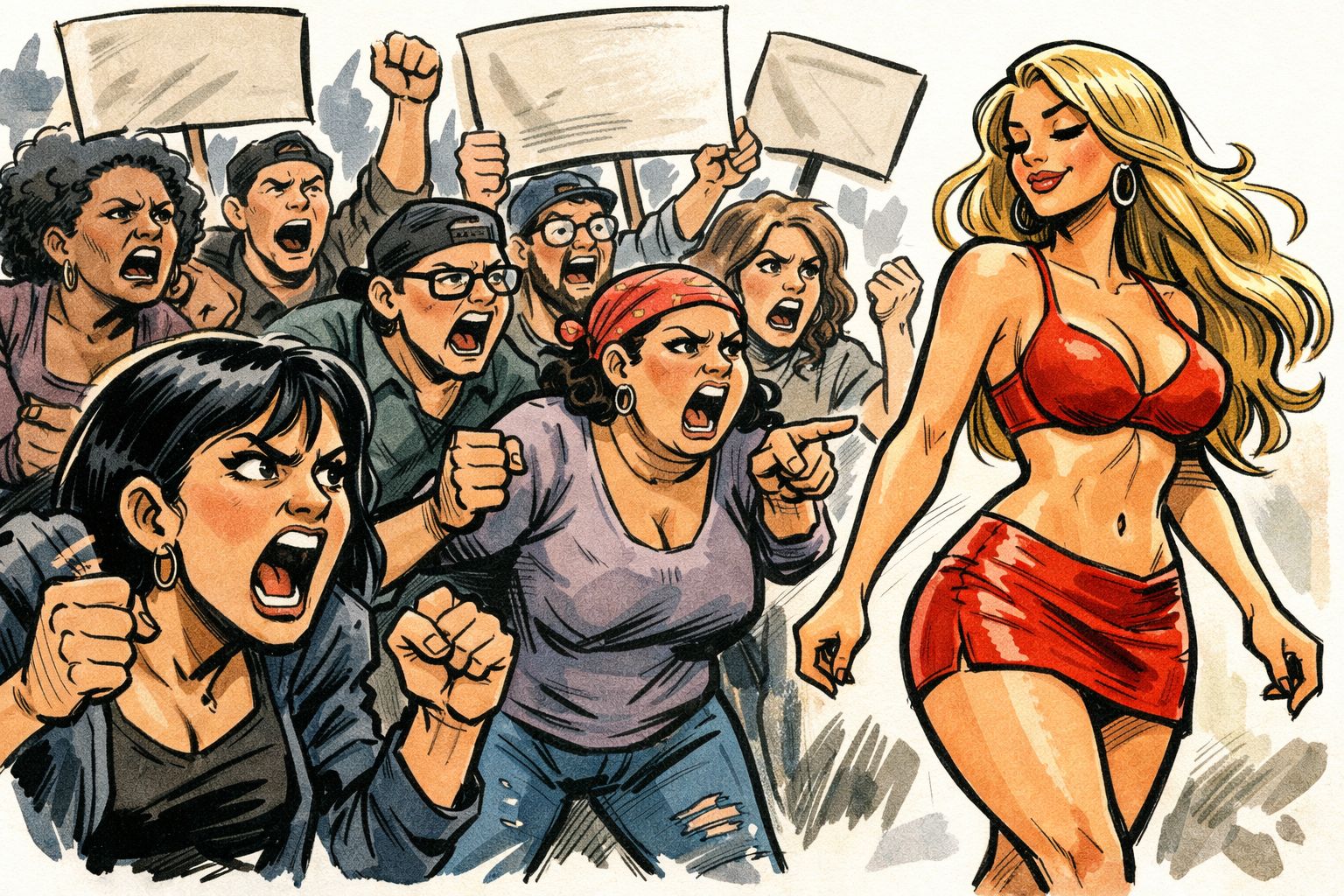
One minute you’re scrolling your phone, the next you’re watching someone’s entire reputation collapse in real time—and the strange part is, most of us can’t look away.
Cancel culture isn’t just an internet buzzword. It’s a window into how human brains process moral outrage, group belonging, and punishment, often without a shred of due process. Understanding the psychology behind it explains why ordinary people join pile-ons they’d never start themselves, and why getting canceled can feel like a physical wound rather than a social inconvenience.
What Actually Happens When Someone Gets Canceled
Canceling is best described as a volitional act—someone chooses, consciously, to publicly reject another person and then actively pursue harm against them. This isn’t passive disapproval. It’s a deliberate campaign, even if it only lasts a few hours on a single platform. The target can be a celebrity, a fast-food manager, a food company, or a teenager in a group chat; the mechanics stay the same.
What makes canceling psychologically distinct is the gap between the offense and the response. A single tweet, joke, or comment can trigger consequences ranging from lost followers to lost jobs, and the severity of the backlash often has little relationship to how serious the original transgression actually was.
The Three Psychological Ingredients of Canceling
Every canceling episode, whether it involves a Hollywood A-lister or a kid at your local high school, follows the same three-step psychological formula. Strip away the platform and the players, and you’re left with a pattern that repeats with eerie consistency.
Spotting and Judging a Transgression
It starts with perception. Someone notices a behavior—a joke, a statement, an old tweet—and interprets it as a violation of a shared value. That value might be political, like a stance on immigration, or social, like attitudes toward race, gender identity, or animal welfare.
The judgment part matters just as much as the noticing. The observer has to decide the behavior is significant enough to warrant a response, not just mildly annoying or disagreeable. This threshold varies wildly from person to person, which is part of why some comments get ignored while nearly identical ones ignite firestorms.
The Role of Outrage, Disgust, and Fear
Once something registers as a transgression, emotion takes over. Cancelers don’t feel mild irritation—they experience outrage, disgust, fear, or anger, often all at once. These aren’t abstract reactions; they’re visceral, body-level responses that demand release.
Strong negative emotion is the fuel that turns private judgment into public action. Without it, most transgressions would simply be noted and forgotten.
This emotional intensity explains why canceling campaigns can feel so relentless. The people driving them aren’t performing detached moral analysis—they’re reacting from a place of genuine, often overwhelming, feeling.
Turning Emotion Into Public Punishment
The final ingredient is action, and it has to be visible. Private disapproval doesn’t count as canceling—the canceler needs an audience. This might mean a public callout post, an organized unfollow campaign, or pressure on an employer to fire someone. The visibility serves two purposes: it punishes the target and it signals the canceler’s own values to everyone watching.
Why Cancel Culture Spreads Like a Virus
A single person’s outrage rarely causes lasting damage. The real force behind cancel culture is contagion—the way one person’s reaction triggers dozens, then hundreds, then thousands of others to pile on with their own judgments and punishments.
Social Media as the Contagion Engine
Social media platforms are uniquely built for this kind of spread. Algorithms reward emotionally charged content, and outrage happens to be one of the most engagement-friendly emotions there is. A post condemning someone’s behavior can reach more people in an hour than a news story might reach in a week.
Not every attempt to cancel someone catches fire, though. Plenty of canceling episodes fizzle out after a handful of comments, never reaching the threshold needed to become a full-blown social phenomenon. The difference often comes down to timing, platform algorithms, and whether a high-profile account decides to amplify it.
How One Post Turns Into a Pile-On
The pile-on dynamic works almost like a chain reaction. One person posts the initial accusation, a few hundred people reshare it, and suddenly thousands of strangers who have zero personal connection to the original situation are weighing in with judgment and punishment of their own. Each new participant adds momentum, and the target’s ability to respond or explain gets drowned out by sheer volume. This phenomenon can be linked to choice overload where too many voices create confusion and hinder effective decision-making.
Canceling vs Ghosting vs Boycotting: Key Differences
People often lump canceling in with other forms of social rejection, but the psychology behind each is distinct. Understanding these differences clarifies why canceling feels so much more aggressive than simply walking away from someone or withholding your money.
Ghosting Is Private, Canceling Is Public
Ghosting is quiet. Someone disappears from a relationship or friendship without explanation, and the rejection stays largely private between the two people involved. Canceling flips that entirely—it’s loud, visible, and designed to be witnessed by as many people as possible. This shift from private to public can create a psychological distance between the individuals involved.
This public dimension changes the psychological experience for everyone involved. The canceler gains social validation from an audience, while the target faces humiliation that extends far beyond the original relationship or interaction.
Why Canceling Hits Harder Than a Boycott
Boycotting is a financial decision—people stop buying from a company or supporting a public figure. It’s targeted and specific. Canceling, by contrast, pulls from a much wider toolkit: public shaming, calls for job termination, coordinated unfollowing, and sustained online harassment. The goal isn’t just to withdraw support; it’s to actively inflict consequences.
|
Behavior |
Public or Private |
Primary Goal |
|---|---|---|
|
Ghosting |
Private |
Withdraw contact |
|
Boycotting |
Public (financial) |
Withdraw financial support |
|
Canceling |
Public (social) |
Inflict visible punishment |
When Punishment Outweighs the Original Offense
One of the more unsettling patterns in cancel culture is how often the punishment dwarfs the crime. A tasteless joke from a decade ago can end a career today. A single misstep in a social media comment can follow a teenager through their entire high school experience. This disproportion isn’t accidental—it’s baked into the emotional intensity that drives the whole process, since outrage rarely scales itself to match the facts.
Cancel Culture Skips the Justice System Entirely
There is no complaint filed, no trial held, no defense presented, and no verdict delivered by anyone but the crowd itself.
When someone gets canceled, they skip every safeguard that formal justice systems were built to provide. There’s no neutral party weighing evidence, no opportunity for cross-examination, and no presumption of innocence while the facts get sorted out. The canceler acts as accuser, judge, and jury all at once, often within minutes of first encountering the alleged transgression.
This matters because legal systems evolved specifically to slow down our instinct for immediate punishment. Due process exists to counteract the very impulses that drive canceling: the rush to judgment, the reliance on incomplete information, and the tendency to let emotion override careful evaluation. Cancel culture bypasses all of that scaffolding.
Dominique Moran, a former Chipotle manager, found herself canceled after a video clip circulated online, stripped of context and framed in a way that painted her actions as far worse than what actually occurred. Goya Foods faced a similar fate when a single statement from its CEO sparked boycotts and public condemnation that spread faster than any clarification could catch up to. This phenomenon can be partly understood through the concept of psychological distance, which influences how individuals perceive and react to events that seem remote or abstract.
The speed is the point. By the time facts emerge or context gets added, the punishment has often already been delivered—job loss, reputational damage, or social isolation that doesn’t reverse itself even if later information complicates the original story.
No Trial, No Defense, No Presumption of Innocence
In a courtroom, the accused gets to tell their side. Online, that opportunity rarely exists before judgment lands. Screenshots get shared without context, old statements get resurfaced without acknowledgment of how views might have changed, and explanations offered after the fact get dismissed as excuses rather than genuine clarification. This rapid judgment can often lead to decision anxiety for those involved.
Why the Canceler’s Opinion Becomes the Verdict
Because there’s no external authority mediating the process, the canceler’s personal interpretation of events functions as the final word. If enough people share that interpretation, it hardens into consensus—regardless of whether it holds up under closer scrutiny.
This creates a feedback loop. The more people who agree with the original judgment, the more legitimate it feels, even though popularity and accuracy are two completely different things. Psychologically, this mirrors a phenomenon researchers call social proof, where people assume something must be true because so many others believe it.
Is Cancel Culture Politically Biased?
Cancel culture itself is agnostic to political affiliation or ideology—anyone can cancel, and anyone can be canceled, regardless of where they sit on the political spectrum. What changes is the specific value being defended in each instance, whether that’s a progressive stance on social justice or a conservative stance on tradition and values.
Why Every Cancel Campaign Reflects a Specific Worldview
Every canceling episode is grounded in bias because it depends on one particular shared understanding of what counts as a transgression. There’s no absolute, universally agreed-upon standard being applied. Instead, the canceler and their audience interpret the offense through a specific ideological lens, which is exactly why the same comment might get ignored by one group and treated as unforgivable by another. This phenomenon is akin to the choice overload that can paralyze decision-making, as different groups weigh offenses differently based on their unique perspectives.
What Happens Psychologically to the Cancelers
It’s easy to focus entirely on the person being canceled, but the psychology of the people doing the canceling deserves just as much attention. Many cancelers act from genuine, strongly held moral convictions—they believe they’re standing up against racism, sexism, or injustice, and in many cases, that belief is well-founded.
Moral Conviction Without Empathy or Forgiveness
Here’s the paradox: strong moral conviction can actually suppress empathy rather than enhance it. When someone feels certain they’re on the right side of a moral issue, that certainty can create psychological permission to skip the usual checks on cruelty. Teens in particular report that cancel culture gives them license to bypass forgiveness entirely in favor of being right, as if correctness and compassion can’t coexist.
This isn’t unique to teenagers, either. Adults fall into the same trap, treating moral certainty as a justification for behavior they’d otherwise recognize as excessive or unkind. The feeling of righteousness can override the normal social instincts that would typically make someone pause before piling onto another person’s public humiliation.
Bystander Guilt and Fear of Being Next
Not everyone involved in a canceling episode is actively participating. Plenty of people sit on the sidelines, watching the pile-on unfold without joining in—and that position carries its own psychological weight. Bystanders often report anxiety and fear that they could become the next target, which keeps them silent even when they disagree with what’s happening.
There’s also a lingering guilt that shows up afterward, especially among people who watched a friend or classmate get canceled without speaking up in their defense. That guilt can persist long after the original incident fades from everyone else’s feed, creating a quieter but still real psychological cost for people who never actively participated in the punishment at all. This phenomenon is similar to the perceived gap in psychological distance, where the emotional impact lingers despite physical or temporal separation from the event.
How Social Media Shapes All-or-Nothing Thinking
Amanda Koontz, Associate Professor of Sociology at the University of Central Florida, put it simply: “The instant nature of social media means that very large, complicated social issues get condensed into one sentence, one minute for TikTok [videos] or just a photo on Instagram…Cancel culture is ‘You’re all good, or you’re all bad,’ and human nature is much more complicated than that.” That observation gets at something central to the psychology of canceling—the platforms themselves aren’t built for nuance.
Why Complex Issues Get Reduced to One Sentence
Character limits, short video formats, and algorithms that reward quick, punchy content all push complicated human behavior into oversimplified categories. A person becomes either entirely good or entirely bad, with no room for the messy middle ground where most real human behavior actually lives. This binary thinking makes it easier to justify extreme punishment, since there’s no complexity left to consider once someone’s been sorted into the “bad” category.
Celebrity Culture and Mimicked Behavior Among Teens
Social media also blurs the line between celebrities and peers in ways that shape teen behavior directly. Watching a celebrity get publicly dragged for a mistake creates a template that teens then apply to their own friend groups and classmates. If canceling a famous person feels normal and even righteous, canceling a classmate for a similar offense starts to feel justified too—even though the stakes and consequences look completely different in a small school community than they do in the broader celebrity sphere.
The Real Psychological Cost of a Culture That Doesn’t Forgive
Strip away the specific platforms and viral moments, and what’s left is a simple psychological truth: humans need room to make mistakes and recover from them. A culture built around permanent, public punishment removes that room entirely, replacing growth and accountability with fear and avoidance. The negative mental health effects on young people especially—anxiety, depression, and in severe cases suicidality—tend to outweigh whatever accountability benefits canceling might provide. The healthier alternative isn’t ignoring harmful behavior; it’s building in space for calling people in, allowing apology, and recognizing that most people are capable of learning rather than needing to be permanently discarded.
Frequently Asked Questions
What Is the Psychological Definition of Cancel Culture?
Cancel culture is an individual’s deliberate act of publicly rejecting and actively pursuing harm against someone perceived to have committed a transgression. It relies on three psychological components working together.
- Identifying a transgression and judging it significant enough to warrant a response
- Experiencing strong negative emotions like outrage, disgust, or fear
- Acting in a punitive way that’s visible to an audience
When this spreads beyond one person and gains momentum through social media, it becomes what psychologists call social canceling—a collective, contagious form of public rejection.
Why Do People Participate in Canceling Others Online?
People join canceling campaigns for a mix of reasons that usually combine genuine moral conviction with social incentives. Many participants truly believe they’re standing up for justice or holding someone accountable for real harm.
- Strong emotional reactions like outrage or disgust that demand release
- Social validation from an audience watching the public response
- A desire to signal personal values and align with a group
- Fear of being seen as complicit if they stay silent
These motivations often overlap, which is part of why canceling campaigns can grow so quickly once they gain initial momentum. Understanding the psychology of self-sabotage can also shed light on why individuals participate in these campaigns.
Can Cancel Culture Cause Lasting Psychological Damage?
Yes. Canceled individuals, especially teens, can experience anxiety, depression, trauma, and in severe cases suicidal thoughts and behavior. Recovery often takes years, with many people struggling to trust others or feel a sense of belonging in new social groups long after the original incident has faded from public attention. Learning to sit with discomfort can be an essential part of the healing process.
How Is Canceling Different From Holding Someone Accountable?
Accountability typically involves a process—acknowledgment of wrongdoing, opportunity for explanation, and a path toward repair or change. Canceling skips most of that structure, delivering punishment without the trial, defense, or presumption of innocence that formal accountability processes usually include.
A gentler alternative sometimes called “calling in” preserves some of that space, giving the person a chance to become aware of the harm they caused, apologize, and do better moving forward rather than facing immediate, permanent social exile.
What Can Parents Do If Their Teen Gets Canceled?
Parents can start by taking their teen’s distress seriously rather than dismissing it as typical social media drama. Given that peer rejection activates pain pathways in the adolescent brain similar to physical injury, treating the situation with real concern matters.
Opening a direct conversation about what happened, without immediately assigning blame in either direction, helps teens feel supported rather than judged. Limiting access to the specific platforms where the canceling is actively unfolding can reduce ongoing exposure to hurtful comments.