
Article At A Glance
- Introversion and extroversion are not personality flaws — they are biological traits rooted in how your brain responds to stimulation and social interaction.
- Most people are not purely introverted or extroverted — the majority of us fall somewhere on a spectrum, with ambiverts sitting comfortably in the middle.
- The difference comes down to energy: introverts recharge through solitude, while extroverts gain energy from being around other people.
- Carl Jung first introduced these concepts in 1923, and modern neuroscience has since confirmed that brain chemistry plays a major role in where you land on the spectrum.
- Understanding your personality type can transform how you work, relate to others, and manage your mental health — keep reading to find out how.
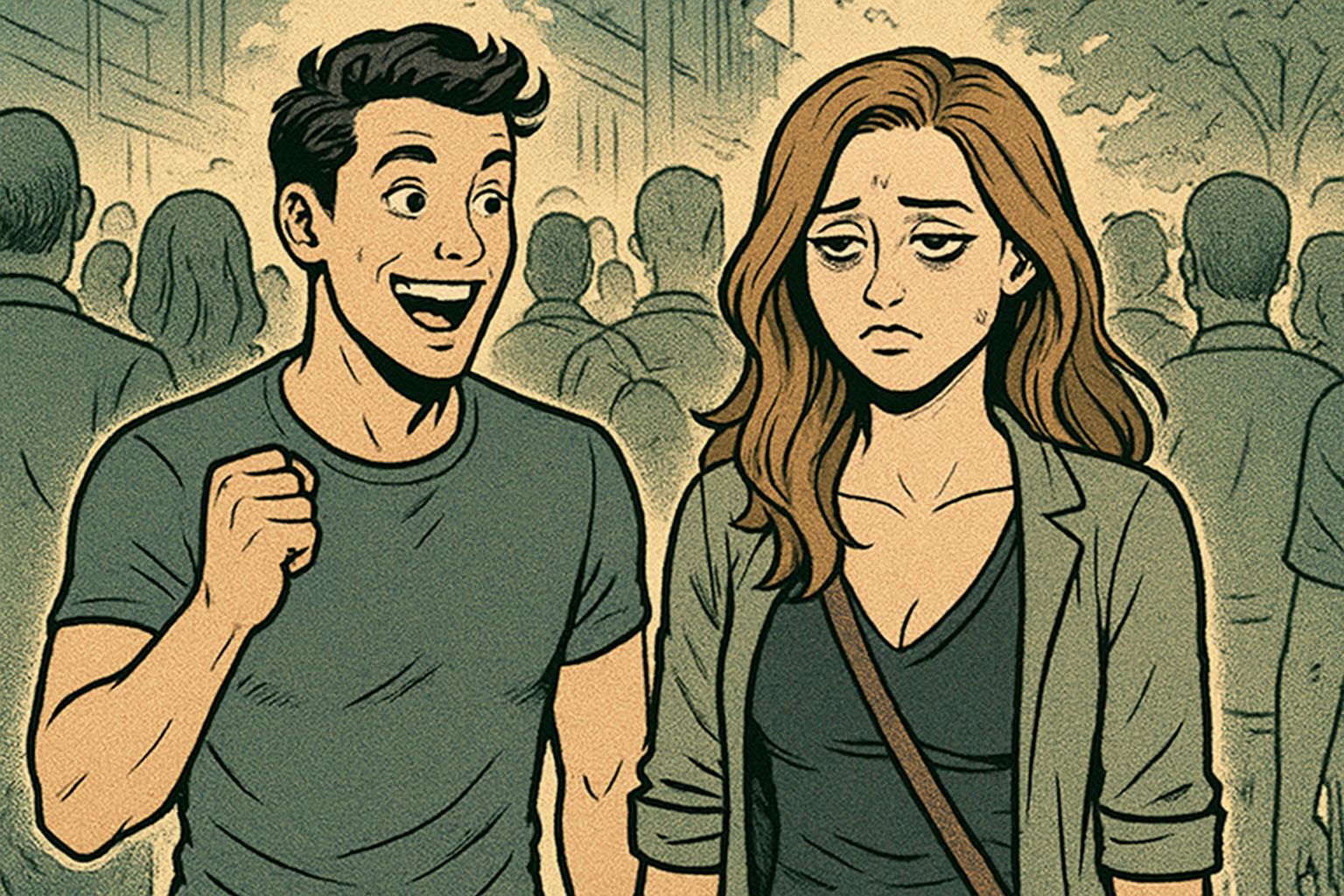
You have probably noticed that some people leave a party feeling electric while others leave feeling completely drained — and that difference is not a matter of being shy or unfriendly, it goes much deeper than that.
Introversion and extroversion are among the most researched dimensions of human personality. They shape the way you think, communicate, recharge, and connect with the world around you. Understanding where you fall on this spectrum is not just an interesting self-discovery exercise — it can genuinely change how you approach your relationships, career, and daily life.
Brains Are Wired Differently — And That Changes Everything
The distinction between introverts and extroverts is not simply about being quiet versus being loud. At its core, it is about how your nervous system processes stimulation. Research in neuropsychology has shown that introverts and extroverts actually have different baseline levels of cortical arousal — meaning their brains respond differently to the same environment.
Introverts tend to have higher baseline arousal, which means they reach their stimulation threshold faster. Too much external input — noise, crowds, social demands — tips them into overload. Extroverts, on the other hand, have lower baseline arousal and actively seek out stimulation to feel engaged and alert. This is why the same busy social event can feel like a playground for one person and a draining obstacle course for another. It might make you wonder, can people change their personality?
Introvert vs. Extrovert: The Core Differences
At their most fundamental level, introverts and extroverts differ in how they gain and lose energy, how they process information, and how they prefer to engage with the world. These are not rigid categories but rather anchor points on a continuous spectrum of personality.
We can often identify introverts by their reserved, thoughtful, and observational nature — they tend to think before they speak, prefer meaningful one-on-one conversations over group chatter, and feel most creative when they have uninterrupted time to themselves. Extroverts, by contrast, tend to be outwardly expressive, action-oriented, and energized by collaboration, often thinking out loud and thriving in environments with lots of social interaction.
It is worth noting that these are generalizations based on research patterns, not rigid rules that apply to every individual situation. A highly extroverted person can still enjoy a quiet evening with a book, and an introvert can absolutely be the life of the party when the conditions are right.
How Each Type Gets and Loses Energy
|
Trait |
Introvert |
Extrovert |
|---|---|---|
|
Energy Source |
Solitude and internal reflection |
Social interaction and external activity |
|
Social Preference |
Fewer, deeper relationships |
Larger social networks, group settings |
|
Communication Style |
Thinks before speaking, listens more |
Thinks out loud, expressive and talkative |
|
Work Style |
Focused solo work, minimal interruption |
Collaborative environments, teamwork |
|
Stimulation Tolerance |
Reaches threshold quickly |
Seeks higher levels of stimulation |
|
Emotional Tendency |
More prone to neurotic tendencies |
More tuned to positive social stimuli |
The Neurochemical Reason Behind Your Social Battery
The concept of a “social battery” is not just a catchy metaphor — there is genuine neuroscience behind it. Dopamine, the brain’s primary reward chemical, plays a central role in extroversion. Extroverts have a more active dopaminergic reward system, meaning social interaction triggers a stronger pleasure response in their brains. They are literally more rewarded, neurochemically, by being around people.
Introverts, meanwhile, tend to rely more heavily on acetylcholine — a neurotransmitter linked to focus, learning, and internal thought. This makes prolonged social interaction less neurochemically rewarding and more taxing for them, which is why time alone feels genuinely restorative rather than lonely.
Most People Fall Somewhere in the Middle
Here is something that surprises many people: according to personality researchers, most people do not sit at the extreme ends of the introvert-extrovert spectrum. The majority of us are ambiverts — individuals who display qualities of both personality types depending on the situation, context, and even their mood on a given day.
An ambivert might love a lively dinner party on Friday but need complete silence by Saturday afternoon to recover. They can lead a meeting with confidence and also prefer a solo lunch break. This flexibility is actually considered adaptive, and research suggests ambiverts can perform exceptionally well in social roles that require both empathy and assertiveness.
The Big Five and Where Extroversion Fits In
Extroversion is one of the five core dimensions of the Big Five Personality Model — widely regarded as the most well-validated framework in modern personality psychology. The other four are Openness, Conscientiousness, Agreeableness, and Neuroticism. Of all five traits, extroversion is among the most studied and has some of the strongest links to observable behavior, career outcomes, and relationship satisfaction.
What Carl Jung First Got Right in 1923
The terms introvert and extrovert as we use them today trace back to Swiss psychiatrist Carl Jung and his landmark 1923 book Psychological Types. Jung described extroverts as those who direct their personal energy outward toward the social environment, and introverts as those who direct energy inward toward internal experience and reflection. What is remarkable is how durable that framework has proven — over a century later, it still forms the conceptual backbone of how we discuss personality in psychology, pop culture, and workplace development.
Why Extroversion Is One of the Most Studied Personality Traits
Extroversion consistently shows up as a strong predictor of life outcomes across multiple domains — from job performance in leadership roles to subjective happiness and relationship quality. Extroverts tend to report higher levels of positive emotion and are generally more attuned to social rewards, which may explain why they are often overrepresented in leadership positions. However, this does not mean introverts are at a disadvantage — as you will see in the sections ahead, each personality type has distinct and powerful strengths of its own.
How Being an Introvert or Extrovert Shapes Your Relationships
Your personality type does not just influence how you feel at a party — it fundamentally shapes how you form bonds, resolve conflict, and experience intimacy. Understanding whether you lean introverted or extroverted can explain patterns in your relationships that may have puzzled you for years.
Why Introverts Build Smaller but Deeper Social Networks
Introverts tend to invest heavily in a small circle of trusted people rather than maintaining a wide web of acquaintances. This is not about being antisocial — it is about the quality of connection over quantity. Because introverts process experiences more deeply, they tend to bring thoughtfulness, loyalty, and genuine attentiveness to their close relationships. A friend who remembers every detail of a conversation you had six months ago? Probably an introvert.
How Extroverts Approach Connection Differently
Extroverts build relationships the way they do most things — actively and outwardly. They tend to have larger social networks, make friends quickly, and feel genuinely energized by meeting new people. Their warmth and expressiveness make them naturally magnetic in social settings, and they often serve as the connective tissue in group friendships.
- Extroverts are typically quicker to initiate conversation and make the first move in friendships or romantic connections.
- They tend to process emotions by talking through them rather than sitting with them privately.
- Large group settings — parties, team outings, social events — feel comfortable and enjoyable rather than overwhelming.
- They may struggle with partners or friends who need significant alone time, sometimes misreading it as rejection.
- Extroverts generally express affection openly and expect a similar level of verbal and social engagement in return.
Neither approach to relationships is superior — they are simply different strategies for human connection, each with real strengths. The friction tends to arise when an introvert and extrovert pair up without understanding each other’s needs.
When an introvert withdraws after a long social day, it is not a signal that something is wrong in the relationship — it is a biological need for restoration. When an extrovert wants to spend every weekend out with friends, it is not insensitivity — it is how they stay emotionally regulated. Naming these differences explicitly can prevent a tremendous amount of unnecessary conflict.
Tips for Introvert-Extrovert Relationships That Actually Work
The most successful introvert-extrovert relationships share one common foundation: mutual respect for each other’s energy needs. The extrovert partner can build in solo time for their introvert without taking it personally, while the introvert can make intentional effort to engage socially in ways that matter most to their extrovert. Setting clear expectations around social commitments, alone time, and communication styles turns what could be a source of conflict into a genuine strength — two complementary people who balance each other out.
What Your Personality Type Means at Work
The modern workplace was largely designed with extroverts in mind — open-plan offices, brainstorming sessions, back-to-back meetings, and constant collaboration. But the research tells a more nuanced story about who actually performs best and in what conditions. Both introverts and extroverts bring powerful, distinct capabilities to professional environments, and the most effective teams tend to include both. Understanding the psychology of sustainable success can help in creating balanced teams that leverage diverse personality types.
Where Introverts Naturally Excel
Introverts tend to thrive in work that demands sustained concentration, independent problem-solving, and careful analysis. Fields like research, writing, software development, accounting, and strategic planning often play directly to their strengths. Because they think before they speak, introverts often bring well-considered ideas to the table rather than shooting from the hip. Studies have also shown that introverted leaders can outperform extroverted ones when managing proactive, self-driven teams — because they listen more and micromanage less. For those interested in exploring how personality can change over time, there is compelling research available.
Where Extroverts Have the Edge
Extroverts tend to shine in roles that require networking, persuasion, rapid decision-making, and team motivation. Sales, public relations, management, event coordination, and customer-facing roles are natural fits. Their comfort with visibility and verbal communication makes them effective spokespeople and energetic team leaders. In fast-paced environments where quick thinking and social agility are rewarded, extroverts often rise quickly through the ranks.
10 Signs You Are an Introvert
Introversion is not always obvious from the outside — many introverts have learned to adapt socially and can appear outgoing in the right circumstances. But internally, the signs tend to be consistent and recognizable once you know what to look for.
- You feel drained after social events, even enjoyable ones.
- You need alone time to feel like yourself again after a busy week.
- You prefer deep one-on-one conversations over group small talk.
- You think through your ideas privately before sharing them.
- You are highly observant and notice details others often miss.
- You have a rich inner world — your internal dialogue is active and detailed.
- You prefer written communication over spontaneous phone calls.
- Loud, chaotic environments wear you out faster than most people.
- You maintain a small but deeply loyal circle of friends.
- You often feel most creative and productive when you are alone.
10 Signs You Are an Extrovert
Just like introversion, extroversion exists on a spectrum — and not every extrovert is the loudest person in the room. But there are consistent internal and behavioral patterns that signal a genuinely extroverted personality, and they tend to show up across different areas of life.
- You feel energized, not drained, after spending time with a group of people.
- Too much alone time leaves you feeling restless or even anxious.
- You think out loud — talking through a problem helps you solve it.
- You make friends easily and genuinely enjoy meeting new people.
- You are comfortable being the center of attention and often enjoy it.
- You process emotions better by talking about them than sitting with them silently.
- You prefer phone or face-to-face conversations over texting or email.
- Silence in a group setting feels awkward — you naturally move to fill it.
- You have a wide social network and actively maintain it.
- You tend to act first and reflect later, rather than overthinking before moving.
Neither Type Is Better — Here Is What Actually Matters
One of the most persistent myths in popular psychology is that extroversion is somehow the more desirable trait — that being outgoing, social, and vocal is the gold standard of personality. It is not. Research consistently shows that both personality types carry genuine strengths, and neither predicts greater intelligence, moral character, or life success on its own. What matters far more than where you land on the spectrum is how well you understand yourself and how effectively you build a life that aligns with your actual wiring — not the personality type you think you are supposed to be.
Frequently Asked Questions
These are the questions that come up most often when people start exploring the introvert-extrovert spectrum — answered clearly and grounded in what the research actually shows.
How Do I Know If I Am an Introvert or an Extrovert?
The most reliable indicator is deceptively simple: pay attention to where your energy goes after social interaction. If you consistently feel recharged after time alone and drained after extended social engagement, you likely lean introverted. If the opposite is true — crowds energize you and isolation depletes you — you are probably more extroverted.
Beyond energy, ask yourself these questions honestly:
- Do I prefer a few close friendships or a wide social circle?
- Do I think before I speak, or do I think by speaking?
- Does a full weekend alone sound like a relief or a punishment?
- Am I more comfortable in small gatherings or large group settings?
- Do I find constant social stimulation exciting or exhausting?
If you want something more structured, the Big Five personality assessment is one of the most scientifically validated tools available for measuring your level of extroversion. It places you on a continuum rather than forcing you into a binary label, which is a far more accurate reflection of how personality actually works.
Keep in mind that situational factors — stress, life stage, cultural background — can all influence how introverted or extroverted you appear in a given moment. The goal is to identify your baseline tendencies, not to find a fixed label and wear it forever.
Can Someone Be Both an Introvert and an Extrovert?
Yes — and in fact, most people are. The term for this is ambivert, and it describes someone who flexes naturally between introverted and extroverted behaviors depending on the situation. An ambivert might be highly energized by a meaningful social event but need quiet recovery time afterward. They can be assertive in a meeting and deeply reflective at home. Rather than being a contradiction, this flexibility is considered a genuine psychological strength — ambiverts tend to be highly adaptable and socially intuitive.
Do Introverts Have Social Anxiety?
Introversion and social anxiety are not the same thing, and this is one of the most important distinctions in this entire topic. Introversion is a personality trait — a neutral, biologically influenced preference for lower stimulation and deeper internal processing. Social anxiety is a clinical condition characterized by fear, avoidance, and significant distress around social situations.
An introvert can genuinely enjoy social interaction — they simply need less of it and require recovery time afterward. A person with social anxiety, by contrast, wants to connect but feels held back by fear. That said, the two can co-exist: an introvert can also experience social anxiety, just as an extrovert can. If social situations consistently trigger fear or avoidance rather than just fatigue, it is worth exploring that distinction with a mental health professional.
Can Your Personality Type Change Over Time?
Research suggests that while the core architecture of your personality remains relatively stable across your lifetime, the expression of introversion or extroversion can shift — particularly across major life transitions. Many people report becoming more introverted as they age, which aligns with studies showing that extroversion tends to slightly decrease from young adulthood into middle and later life. Life experiences, personal growth, trauma, and deliberate self-development can all influence how your personality traits express themselves, even if the underlying wiring does not fundamentally rewire itself.
Does Being an Introvert or Extrovert Affect Mental Health?
Personality type does have meaningful links to mental health patterns. Research shows that introverts are more prone to neurotic tendencies, rumination, and conditions like depression and anxiety — partly because of their heightened internal processing and sensitivity to stimulation. Extroverts, with their stronger dopaminergic reward responses to social interaction, tend to report higher levels of positive emotion and subjective well-being on average.
However, this does not mean introverts are destined for poor mental health or that extroverts are immune to it. Context matters enormously. An introvert who has built a life that honors their need for solitude, deep connection, and meaningful work can thrive just as fully as any extrovert. The risk arises when people live in chronic conflict with their own nature.