
Article At A Glance
- Sleep deprivation does more than make you tired — it systematically dismantles your ability to think clearly, regulate emotions, and maintain mental health.
- The prefrontal cortex, the brain region responsible for judgment and decision-making, is among the first casualties of poor sleep.
- Chronic sleep loss is directly linked to depression, anxiety, and increased risk of suicidal ideation — connections that are still widely underestimated.
- Most people cannot accurately assess their own impairment when sleep deprived, making the problem especially dangerous.
- Keep reading to discover how even a few nights of poor sleep can trigger psychological effects that mimic serious mental illness — and what you can actually do about it.
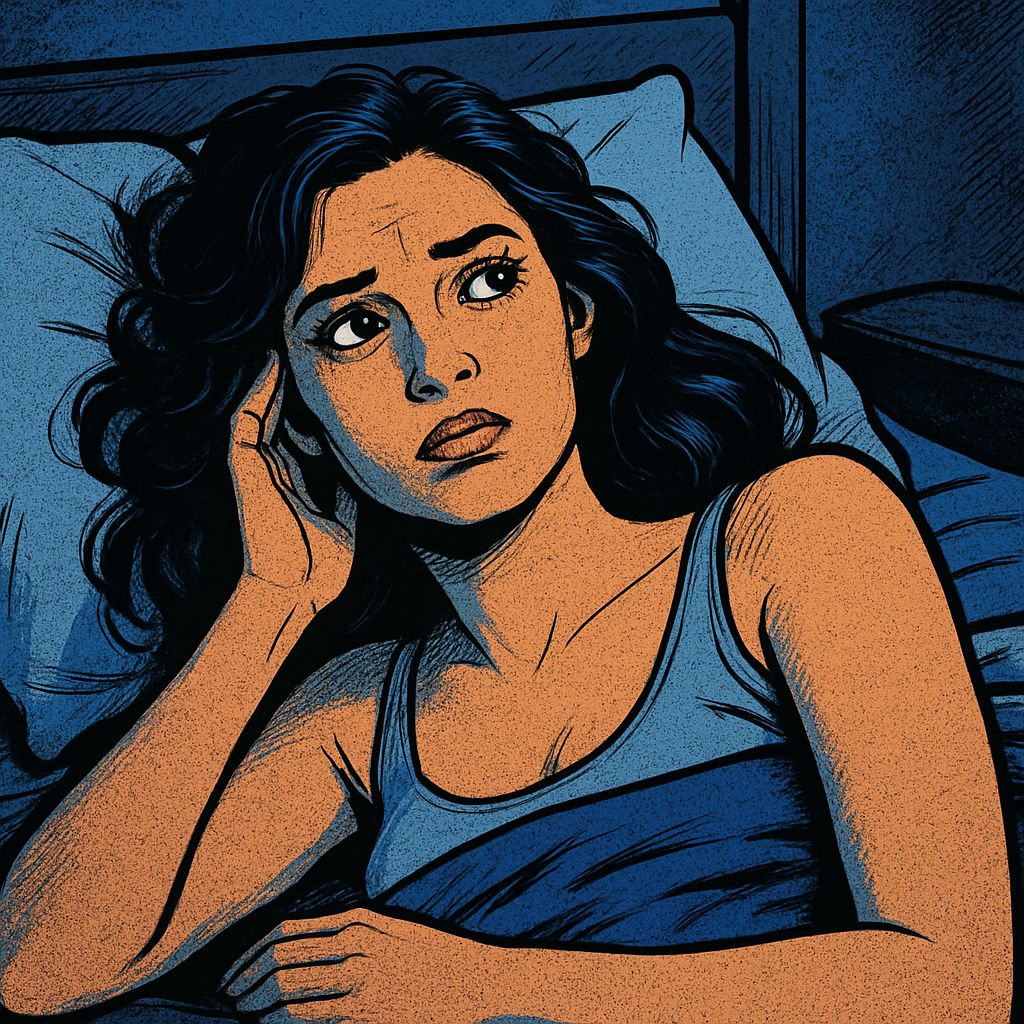
Most people treat lost sleep as a minor inconvenience, but the psychological damage it causes runs much deeper than a foggy morning.
The truth is that sleep is one of the most powerful mental health tools you have — and most people are unknowingly depleting it every single night.
Sleep Deprivation Is Quietly Rewiring Your Brain
Every hour of lost sleep triggers a measurable chain reaction inside your brain. It is not just about feeling tired — it is about your brain physically losing its ability to regulate thought, emotion, and behavior. Scientists measuring brain activity through electroencephalograms (EEGs) have documented clear, observable changes in brain function after even a single night of insufficient sleep. These are not subtle shifts. They are significant enough to alter who you are and how you interact with the world.
What makes this especially dangerous is that the psychological effects of sleep deprivation tend to sneak up on you. Unlike a broken arm or a fever, cognitive and emotional impairment from sleep loss is largely invisible — both to others and, critically, to yourself.
What Happens to Your Brain Without Enough Sleep
Sleep is not passive downtime. Your brain uses this time to consolidate memories, process emotions, clear metabolic waste, and reset the neural pathways you depend on for clear thinking. When you cut that process short, the consequences are immediate and measurable across multiple cognitive domains — including concentration, working memory, mathematical reasoning, and logical thinking.
The Prefrontal Cortex Takes the Biggest Hit
The prefrontal cortex (PFC) sits at the front of your brain and handles your most sophisticated mental functions — planning, decision-making, impulse control, and complex reasoning. It is also the region most vulnerable to sleep deprivation. When you are under-slept, the PFC essentially goes offline, and the parts of your brain responsible for emotional, reactive, and impulsive behavior take over.
This is why sleep-deprived people make worse decisions, struggle to control their reactions, and often act in ways they later regret. It is not a character flaw — it is neuroscience. The PFC simply cannot perform without adequate rest, and no amount of caffeine or willpower fully compensates for that loss.
Key insight: Research shows that sleep-deprived individuals are not only more likely to make errors — they are simultaneously less aware that they are making them. This combination is what makes sleep loss genuinely dangerous in high-stakes environments like healthcare, transportation, and emergency services.
Emotional Regulation Breaks Down Fast
One of the fastest psychological casualties of poor sleep is your ability to manage your emotions. Sleep deprivation amplifies the brain’s emotional reactivity while simultaneously weakening the regulatory systems that keep those reactions in check. In practical terms, this means smaller frustrations feel overwhelming, neutral situations feel threatening, and emotional recovery after a setback takes far longer than it normally would. Learn more about what recovery really looks like after emotional setbacks.
Memory Consolidation Stops Working Properly
During sleep, your brain transfers information from short-term storage into long-term memory — a process called memory consolidation. Without enough sleep, this transfer breaks down. New information you learned during the day does not stick, problem-solving ability drops, and your capacity to learn from experience becomes compromised. For students, professionals, and anyone navigating complex daily challenges, this is a significant and often invisible cost.
The Psychological Effects Most People Don’t Recognize
Beyond the well-known side effects of tiredness and poor concentration, sleep deprivation produces psychological effects that are far less commonly discussed — and far more alarming. These are the effects that blur the line between sleep loss and genuine mental health conditions.
Increased Anxiety and Paranoia
Sleep loss and anxiety share a deeply reinforcing relationship. Poor sleep increases anxiety, and anxiety makes sleep harder — a cycle that can escalate quickly. But beyond general worry, extended sleep deprivation can produce something closer to paranoia. The brain begins misreading neutral cues as threatening, misinterpreting social interactions, and generating fear responses in situations that would not normally trigger them.
This heightened threat-detection is rooted in the amygdala — the brain’s alarm system — which becomes overactive when the prefrontal cortex is weakened by sleep loss. Without the PFC to apply rational context to perceived threats, the amygdala runs unchecked, producing anxiety that can feel very real and very serious.
Depression Risk Climbs With Every Lost Hour
The link between chronic sleep deprivation and depression is well-established and bidirectional. Poor sleep contributes to depression, and depression disrupts sleep — but research makes clear that sleep loss is not merely a symptom of depression. It is also a cause. In studies where subjects slept only four and a half hours per night, they reported measurably increased feelings of stress, sadness, and emotional distress compared to their fully-rested states. This highlights how comparison quietly steals your happiness and contributes to emotional distress.
Chronic sleep issues have been correlated with depression, anxiety, and broader mental distress across multiple research populations. When sleep deprivation becomes a long-term pattern, the cumulative emotional toll begins to look increasingly like a clinical mood disorder — because in many cases, it is actively triggering one.
There is also a darker connection worth naming directly: sleep deprivation has been identified as a risk factor for suicidal ideation. While the mechanisms are still being studied, the correlation between persistent poor sleep and increased thoughts of self-harm is significant enough that mental health professionals routinely screen for sleep problems when assessing depression severity.
Impaired Judgment You Won’t Notice In Yourself
Perhaps the most psychologically insidious effect of sleep deprivation is this: it impairs the very cognitive tools you would normally use to recognize that you are impaired. Studies consistently show that sleep-deprived individuals dramatically underestimate how compromised their judgment, reaction time, and decision-making have become. They feel capable. They feel alert enough. They are wrong.
This self-assessment failure is not minor. It means that the people most in need of rest are often the least likely to recognize it — and the most likely to take on tasks, make decisions, or engage in behaviors that carry serious consequences.
How Sleep Deprivation Damages Your Relationships
The psychological effects of sleep deprivation do not stay contained inside your own head — they spill directly into every relationship you have. The way you read people, respond to them, and care about them is all significantly altered when you are chronically under-slept.
You Misread Social and Emotional Cues
Sleep deprivation impairs your ability to accurately read facial expressions and emotional signals from the people around you. Research has shown that sleep-deprived individuals are more likely to interpret neutral or friendly expressions as threatening or hostile. This is not a minor perceptual glitch — it fundamentally changes how you experience your interactions with family, friends, and colleagues.
When your brain is operating on insufficient sleep, it defaults to a threat-detection mode that sees danger where none exists. A colleague’s neutral comment gets filed as a criticism. A partner’s quiet moment gets read as anger. These misinterpretations accumulate, creating friction and distance in relationships that would otherwise be healthy and stable.
The cruel irony is that the people closest to you suffer the most from this perceptual distortion. You are least likely to filter your reactions with loved ones, and most likely to act on the misread cue — creating conflict that has its roots not in the relationship itself, but in your sleep debt.
Example: A sleep-deprived manager who misreads a team member’s hesitation as defiance rather than uncertainty is likely to respond with frustration instead of support — damaging trust, morale, and team performance in a single interaction.
Empathy Drops Significantly When You’re Tired
Empathy — your capacity to understand and share the feelings of another person — is a cognitively demanding process. It requires mental bandwidth that sleep deprivation directly erodes. When you are under-slept, you become measurably less able to perspective-take, less emotionally responsive to others’ distress, and more focused on your own discomfort. This shift can be compared to how trauma changes the way you see the world, affecting your interactions and perceptions.
This reduction in empathy is not a character flaw that emerges when you are tired — it is a neurological consequence of a depleted prefrontal cortex. The same brain region that handles rational decision-making also drives your capacity for compassion and social reasoning. When it goes offline from sleep loss, empathy goes with it. Even smart people can make irrational choices when their cognitive functions are compromised by lack of sleep.
For parents, caregivers, healthcare workers, and anyone in a role that depends on emotional attunement, this is a particularly serious consequence. The ability to be present for another person requires being mentally present yourself — and sleep deprivation makes that nearly impossible to sustain.
Conflict Becomes More Likely at Home and at Work
Put together impaired emotional regulation, misread social cues, and reduced empathy, and the result is predictable: more conflict. Sleep-deprived individuals are quicker to anger, slower to de-escalate, and less capable of the kind of constructive communication that resolves disagreements. Research tracking supervisors over ten consecutive workdays found direct links between poor sleep and abusive or dismissive behavior toward subordinates — even among leaders who behaved well when rested.
At home, the dynamic is no different. Couples where one or both partners are chronically sleep deprived report higher rates of conflict, lower relationship satisfaction, and reduced ability to repair disagreements. Sleep loss does not just affect how you feel — it changes how you treat the people you love most.
The Workplace Toll of Chronic Sleep Loss
Beyond personal relationships, sleep deprivation has measurable and well-documented consequences in the workplace — affecting performance, safety, ethics, and productivity in ways that most organizations are only beginning to take seriously.
More Mistakes, Less Awareness of Making Them
Sleep-deprived employees make more errors across virtually every type of task — and the problem is compounded by the fact that they are simultaneously less aware that errors are occurring. Concentration, working memory, and logical reasoning all decline under sleep deprivation, creating a perfect condition for mistakes to multiply undetected.
The consequences scale with the stakes of the job. In low-risk roles, errors mean wasted time and reduced output. In high-stakes environments — medicine, aviation, emergency response — the same cognitive impairment can have catastrophic outcomes. The mechanism is the same regardless of the field: a brain running on insufficient sleep is a brain operating below the threshold required for reliable performance.
Unethical Behavior Increases Among Sleep-Deprived Workers
One of the more surprising findings in workplace sleep research is the link between sleep deprivation and unethical behavior. Studies have found that under-slept employees are more likely to engage in dishonesty, cut ethical corners, and rationalize self-serving decisions. The connection runs through the prefrontal cortex again — the region responsible for moral reasoning and impulse control is the same one most damaged by sleep loss.
Researchers have also documented increased cyberloafing, reduced work engagement, and a higher likelihood of workplace deviance among chronically sleep-deprived employees. These are not personality traits — they are predictable psychological consequences of asking a depleted brain to make judgment calls it no longer has the resources to handle properly.
How Much Sleep Deprivation Is Too Much
Any amount of sleep loss carries psychological cost, but the threshold most consistently identified in research is falling below seven hours per night for adults on a regular basis. At four and a half hours, measurable mood deterioration sets in within days. After 17 to 19 consecutive hours without sleep, cognitive impairment becomes comparable to a blood alcohol level above the legal driving limit in most countries. There is no safe level of chronic sleep restriction — the effects accumulate over time, and the debt does not disappear with a single recovery night.
What You Can Do to Protect Your Mental Health
The good news is that sleep is one of the most modifiable mental health factors available to you. Unlike many psychological risk factors, sleep is something you can directly influence — starting tonight. The challenge is treating it with the seriousness it deserves rather than viewing it as optional recovery time that gets sacrificed when life gets busy.
Understanding your own sleep patterns is the first step. Most adults need between seven and nine hours per night, but quality matters just as much as quantity. Fragmented sleep — even if it adds up to seven hours — does not deliver the same psychological restoration as uninterrupted sleep cycles that allow your brain to complete its full memory consolidation and emotional processing work.
Small, consistent behavioral changes tend to produce more reliable improvements than dramatic overhauls. The following strategies are supported by sleep research and are practical enough to implement without disrupting your entire lifestyle:
- Maintain a consistent sleep schedule — going to bed and waking at the same time every day, including weekends, anchors your circadian rhythm.
- Limit screen exposure in the hour before bed — blue light from devices suppresses melatonin production and delays sleep onset.
- Keep your sleep environment cool and dark — core body temperature drops during sleep, and a cooler room supports that process.
- Avoid caffeine after 2 p.m. — caffeine has a half-life of approximately five to six hours, meaning an afternoon coffee is still active in your system at bedtime.
- Wind down with intention — consistent pre-sleep routines signal to your nervous system that it is safe to transition out of alertness.
Important: If you are consistently doing everything right and still struggling with sleep, this is a clinical signal — not a willpower problem. Persistent insomnia, frequent waking, and non-restorative sleep are treatable conditions that warrant professional evaluation.
Prioritize Sleep as a Non-Negotiable Mental Health Tool
Reframing sleep as a mental health intervention rather than a lifestyle preference is one of the most important cognitive shifts you can make. Every hour of quality sleep you protect is an hour invested in emotional stability, cognitive performance, and psychological resilience. The science is unambiguous on this point — sleep is not a passive state. It is active, essential maintenance for the brain systems that make you who you are.
This means making deliberate trade-offs. Late-night scrolling, early-morning work sessions, and weekend sleep disruptions all carry a real psychological price. When you understand that the cost is paid in mood, judgment, empathy, and mental health — not just morning grogginess — the calculus changes.
Recognize the Early Warning Signs in Yourself
The warning signs of psychological sleep deprivation are easy to dismiss because they mimic ordinary stress. Irritability that seems disproportionate to the situation, difficulty concentrating on tasks you normally handle with ease, a creeping sense of anxiety without a clear cause, and a general emotional flatness are all signals worth taking seriously. Most people attribute these symptoms to work pressure, relationship strain, or just “having a rough week” — when the actual driver is accumulated sleep debt.
Pay particular attention to changes in your emotional baseline. If you are snapping at people more than usual, finding it harder to feel positive emotions, or noticing that your thinking feels slower and less sharp, your sleep is the first variable worth examining. These are not personality shifts — they are neurological signals from a brain that is not getting what it needs.
When to Seek Professional Help for Sleep Problems
If sleep difficulties persist for more than three weeks despite consistent behavioral changes, professional evaluation is not just reasonable — it is necessary. Chronic insomnia, sleep apnea, restless leg syndrome, and other sleep disorders are medical conditions with effective treatments. Leaving them unaddressed does not just affect your night — it systematically erodes your psychological health over months and years.
Cognitive Behavioral Therapy for Insomnia (CBT-I) is currently the gold-standard treatment for chronic sleep problems and has demonstrated stronger long-term outcomes than sleep medication in clinical research. A GP, psychiatrist, or sleep specialist can assess whether CBT-I, a sleep study, or other interventions are appropriate for your specific situation. Seeking help for persistent sleep problems is not an overreaction — it is one of the most evidence-based mental health decisions you can make.
Poor Sleep Is a Mental Health Crisis in Disguise
At the societal level, the psychological toll of widespread sleep deprivation is staggering and largely invisible. Sleep loss and its effects on workplace productivity and mortality risk are costing the combined economies of leading industrialized nations — including the United States — an enormous and measurable toll annually. Behind those economic figures are millions of individuals experiencing preventable psychological suffering that they have not connected to their sleep habits.
The pattern is consistent across research populations: when sleep is protected, mental health improves. When sleep is sacrificed — for productivity, entertainment, or social pressure — psychological resilience erodes. Depression rates climb. Anxiety worsens. Judgment fails. Relationships fracture. None of this is inevitable, and all of it points to the same intervention: take sleep seriously before the consequences force you to.
What we are dealing with is not a personal discipline problem or a modern inconvenience. Chronic sleep deprivation at scale is a mental health crisis that hides behind tiredness, irritability, and declining performance — symptoms that society has normalized to a dangerous degree. Recognizing sleep as a mental health priority is not a wellness trend. It is a clinical imperative backed by decades of rigorous research. For more insights on how mental states affect our perception, explore how trauma changes the way you see the world.
|
Hours of Sleep Per Night |
Psychological Effects |
Risk Level |
|---|---|---|
|
7–9 hours |
Stable mood, strong cognitive function, healthy emotional regulation |
Optimal |
|
6–7 hours |
Mild cognitive decline, slight mood disruption, reduced resilience |
Moderate risk |
|
4.5–6 hours |
Increased stress, sadness, anger; measurable memory and focus impairment |
High risk |
|
Below 4.5 hours |
Severe emotional dysregulation, impaired judgment, paranoia, depression risk |
Critical risk |
|
Based on aggregated findings from sleep and mental health research. Individual thresholds may vary. |
Frequently Asked Questions
Sleep deprivation is one of the most common yet least-discussed contributors to poor mental health. The questions below address the connections that people most frequently overlook or misunderstand — because getting the facts right is the first step toward making meaningful change. For more insights, explore how talking to yourself can impact mental health.
Can one night of bad sleep cause psychological effects?
Yes — and the effects begin surprisingly quickly. A single night of poor sleep is enough to increase emotional reactivity, impair working memory, reduce concentration, and elevate anxiety levels. You do not need weeks of deprivation to experience meaningful psychological disruption. Research measuring brain activity after just one sleepless night shows observable changes in the neural circuits that govern mood and decision-making.
That said, a single bad night is recoverable. The real danger is when poor sleep becomes a pattern. Each consecutive night of insufficient sleep compounds the effects of the last, and the cumulative psychological debt becomes harder to repay with each passing week.
How does sleep deprivation contribute to anxiety?
Sleep deprivation directly amplifies the brain’s threat-detection systems while simultaneously weakening the prefrontal cortex functions that apply rational context to perceived threats. The result is an amygdala running at heightened sensitivity without adequate regulatory input — which is essentially the neurological architecture of an anxiety disorder. Sleep loss does not just make existing anxiety worse; in some cases, it creates anxious states in people who would not otherwise experience them.
The relationship is also circular. Anxiety makes it harder to fall asleep and stay asleep, which creates more sleep deprivation, which worsens anxiety. Breaking this cycle typically requires addressing both the sleep disruption and the anxiety simultaneously — which is one of the reasons CBT-I has proven so effective, since it targets the thought patterns driving both conditions.
What is the link between sleep loss and depression?
The relationship between sleep deprivation and depression is bidirectional and well-established. Chronic sleep loss contributes to the development of depression by disrupting the emotional processing that normally occurs during sleep, depleting the cognitive resources needed to manage stress, and altering neurochemical balances that regulate mood. In studies where participants were restricted to four and a half hours of sleep per night, measurable increases in sadness, stress, and emotional distress emerged within days. Long-term, persistent sleep deprivation is associated with significantly elevated depression risk — making sleep one of the most important and actionable protective factors for mood disorders.
Can sleep deprivation cause symptoms similar to mental illness?
Yes, and this is one of the most clinically important facts about severe sleep deprivation. Extended periods without sleep — typically beyond 72 hours — can produce symptoms that closely resemble psychosis, including hallucinations, paranoid thinking, disorganized speech, and detachment from reality. Even at less extreme levels, the emotional dysregulation, cognitive distortions, and mood instability produced by chronic sleep deprivation can mimic symptoms of depression, generalized anxiety disorder, and borderline personality disorder. This is why accurate diagnosis always requires a full picture of a patient’s sleep history alongside their psychological symptoms.
How many hours of sleep do adults need to protect mental health?
The research consensus for most adults is seven to nine hours of quality, uninterrupted sleep per night. Falling below seven hours on a regular basis produces measurable psychological effects even in people who report feeling fine — which underscores the self-assessment problem that runs through sleep deprivation research. What you feel and what is actually happening in your brain are two different things when you are chronically under-slept.
Quality is as important as quantity. Seven hours of fragmented, disrupted sleep does not deliver the same psychological restoration as seven hours of consolidated sleep that allows full completion of the brain’s nightly maintenance processes — including REM sleep, which is particularly critical for emotional regulation and memory consolidation.
If you consistently need an alarm to wake up, feel unrefreshed after sleeping, or rely on caffeine to reach a functional baseline in the morning, these are practical signals that your sleep — in quantity, quality, or both — is not meeting your psychological needs. These are not signs to push through. They are invitations to take your sleep as seriously as any other aspect of your mental health. Sleep deprivation has far-reaching effects on both mental and physical health. It can lead to mood swings, increased anxiety, and even depression. Chronic lack of sleep is also linked to cognitive impairments, affecting decision-making and reaction times.