Article At A Glance
- Your inner child is the collection of thoughts, needs, and emotional patterns formed during childhood that still influence your adult behavior.
- Unprocessed childhood experiences can show up as anxiety, people-pleasing, relationship struggles, and even physical health problems.
- The brain and nervous system lock in survival responses from childhood, which is why minor stress can trigger an outsized reaction.
- There are specific, recognizable signs that your childhood self is still steering your adult choices.
- Healing isn’t about blaming your past. It’s about learning to separate who you were from who you are now, and that process starts with awareness.
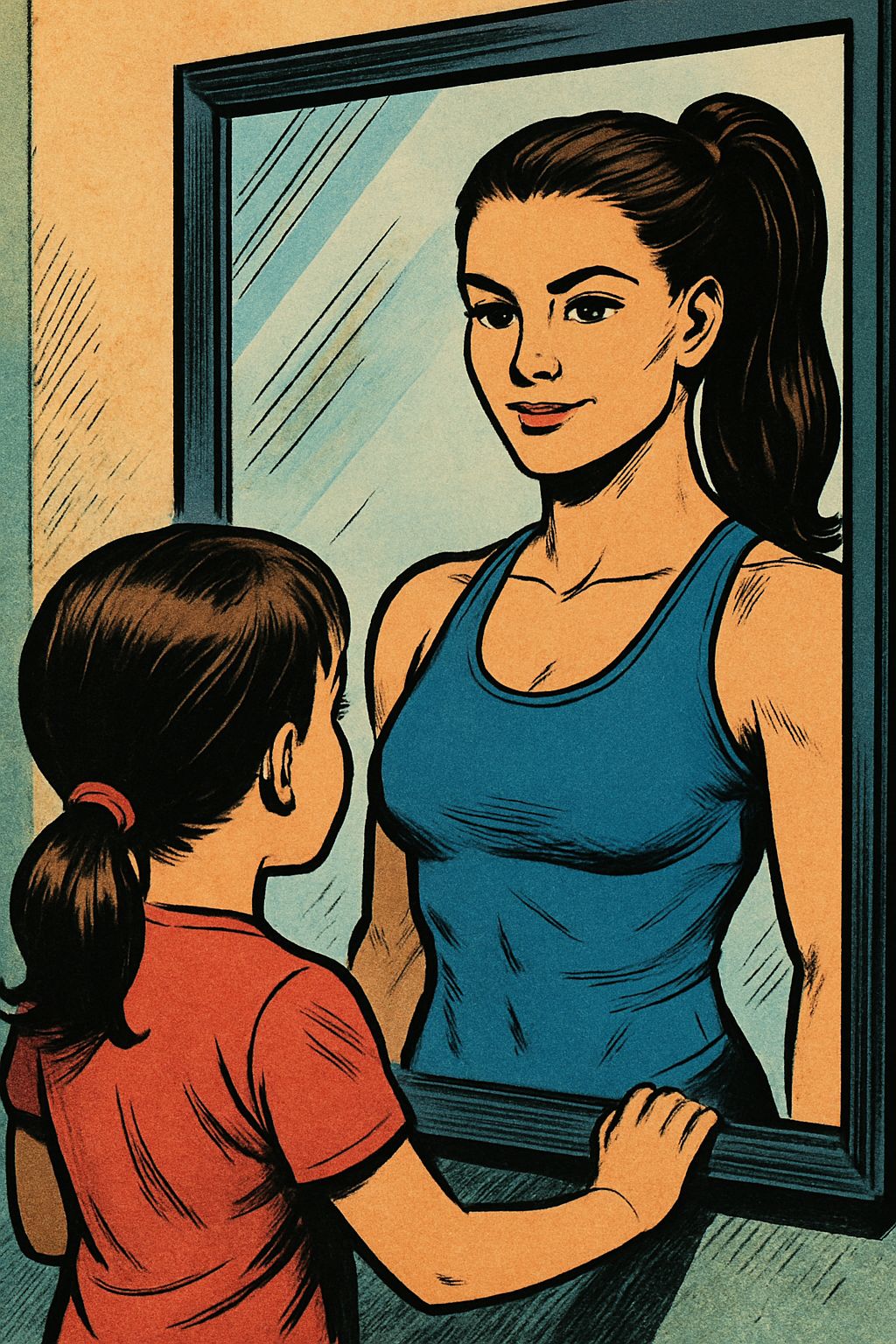
Your 5-year-old self might be the one deciding who you date, how you argue, and why you can’t say no at work.
That’s not a metaphor. It’s how the brain actually works. The experiences you had before puberty wired themselves into your nervous system, and those wires don’t just disappear because you grew up and got a job.
Most people walk around assuming they’re making decisions as fully formed adults. But if you’ve ever wondered why you overreact to small things, why you keep ending up in the same kind of relationship, or why rest feels impossible even when nothing is wrong, the answer often traces back further than you think.
Why Your Inner Child Still Calls The Shots
Every person carries an inner child. It’s not a therapy buzzword, it’s the term psychologists use for the version of you that formed before you hit puberty, shaped by whatever you experienced during those years. Good or bad, safe or chaotic, those early years built the emotional operating system you’re still running today.
Here’s the tricky part: that inner child doesn’t stay neatly tucked away in the past. For a lot of adults, it becomes the primary lens through which they see the world, even decades later. If your inner child learned that love was unpredictable, or that showing emotion got you punished, that belief doesn’t update itself just because you’re now 35 and paying your own rent. Understanding these triggers without letting them control you is essential for personal growth.
This is why some adults can achieve real success, stable jobs, loving families, personal milestones, and still feel helpless or fearful underneath it all. The achievements are real. But so is the five-year-old inside them who never learned that the world is safe. Understanding your inner child can help in understanding your triggers and managing these feelings.
Recognizing this isn’t about staying stuck in victimhood. It’s about understanding the mechanism so you can actually change it.
What Psychologists Mean By “Inner Child”
The inner child refers to the part of your psyche holding onto the thoughts, feelings, and experiences from before puberty. It’s not a separate personality. It’s more like an emotional archive that still has a vote in how you respond to the world.
Childhood experiences, whether nurturing or neglectful, determine the needs, fears, and default expectations this inner child carries. If a child’s needs were consistently met, that inner child tends to feel secure. If they weren’t, the inner child often carries unmet needs into adulthood, quietly influencing decisions the adult self thinks it’s making independently.
How Pre-Puberty Experiences Shape Your Adult Mind
Early experiences don’t just create memories, they shape the architecture of the brain itself. The brain wires itself around what happens in childhood, locking in beliefs about safety, trust, and self-worth long before a person has the cognitive tools to question them.
This is why someone can logically know a situation is safe and still feel terrified. The adult brain understands the present. The wiring from childhood is still reacting to the past.
Signs Your Inner Child Is In The Driver’s Seat
One adult who grew up navigating childhood trauma described it well: she could view a stressful situation through fear, loneliness, and even terror, despite being a fully capable adult in the moment. That’s the inner child taking the wheel.
This looks different for everyone, but a few patterns show up again and again:
- Reacting to a minor comment with intense hurt or anger that feels disproportionate to the moment
- Feeling panicked or abandoned when someone doesn’t respond to a text right away
- Struggling to trust good things, waiting for something to go wrong
- Apologizing automatically, even when you’ve done nothing wrong
- Avoiding conflict entirely because it feels dangerous, not just uncomfortable
None of these reactions are irrational once you understand where they come from. They’re learned survival responses, just applied to situations that no longer require them.
How Childhood Trauma Rewires The Adult Brain
Trauma doesn’t have to mean something catastrophic. It can be ongoing emotional neglect, inconsistent caregiving, or an environment where a child never felt fully safe. Whatever form it takes, early adverse experiences shape the brain, the nervous system, and a person’s core beliefs about safety, trust, and self-worth.
The nervous system doesn’t know the difference between “that happened years ago” and “that’s happening right now.” It just knows what patterns kept you safe as a child, and it keeps running those patterns on repeat. Understanding these triggers without letting them control you can be a crucial step in personal development.
Survival Responses That Never Switched Off
Think of the brain as a security system that got calibrated during a crisis and never got recalibrated afterward. It locks in survival responses long after the original danger has passed, which means a tone of voice, a certain look, or even a specific smell can trigger a full nervous system reaction decades later.
Why The Body Keeps Score Even Without Clear Memories
Not everyone with unresolved childhood trauma has clear memories of what happened. Sometimes the body remembers what the mind has buried. A flash of panic in the shower, a sudden wave of fear with no obvious trigger, these are the nervous system surfacing old survival responses even when the conscious mind can’t pinpoint why.
This hypervigilance means safe situations can feel threatening. The body stays braced, scanning for danger that isn’t actually there, which is exhausting in ways that have nothing to do with how much sleep someone’s getting. Learn more about anxiety over time and how it affects the body.
Many adults spend years chasing diagnoses for tight shoulders, jaw pain, or fatigue that sleep doesn’t fix, without realizing the root cause might be a body that’s still braced for a threat that ended decades ago. The body keeps score long after the mind has moved on, or tried to.
4. Deep-Rooted Shame And Low Self-Worth
Shame feels different from guilt. Guilt says “I did something bad.” Shame says “I am something bad.” That distinction matters because adults carrying childhood shame often can’t point to a single event that caused it. Instead, it’s a quiet, constant hum of not-enough-ness that colors every achievement, every compliment, every relationship. This feeling can be exacerbated by dealing with a micro-manager who reinforces feelings of inadequacy.
This shame usually traces back to a child who was criticized more than praised, compared to siblings, or made to feel like their needs were a burden. The adult version of that child might downplay accomplishments, struggle to accept compliments, or feel like a fraud even in roles they’re objectively good at.
5. Needing Control Over Everything
Control can look like perfectionism, micromanaging, or an inability to relax unless every variable is accounted for. For someone whose childhood felt chaotic or unpredictable, control becomes a coping mechanism. If a child couldn’t control their environment growing up, controlling their adult environment feels like the only way to stay safe.
The problem is that control is exhausting to maintain and often damages relationships. Partners, coworkers, and friends can feel like they’re constantly being managed rather than connected with. For more insights, explore the psychology of dealing with a micro-manager.
6. Emotional Numbness Or Overwhelming Reactions
Some adults swing between feeling nothing and feeling everything, with no steady middle ground to land on. This isn’t a character flaw. It’s a nervous system that learned, during childhood, that emotions were either dangerous to express or too overwhelming to process safely.
Numbness can look like going through the motions of life without really feeling present in it. Overwhelm can look like crying over something small or losing your temper disproportionately. Both are signs of an inner child who never learned how to regulate emotion because no one taught them how.
7. Self-Destructive Coping Habits
When emotions feel unbearable, people reach for whatever makes the feeling stop, even temporarily. This can show up as disordered eating, risky behavior, self-harm, overworking, overworking, doomscrolling for hours, or staying in situations that drain them simply because leaving feels harder than staying.
These coping strategies aren’t random. They’re often the only tools a person learned growing up, and they worked, at least in the short term. The challenge in adulthood is recognizing that what once helped a child survive is now holding an adult back from thriving. To better understand this, explore understanding your triggers without letting them control you.
Why You Keep Choosing The Same Type Of Partner
If you’ve ever looked at your dating history and noticed an uncomfortable pattern, you’re not imagining it. Attachment wounds from childhood don’t just disappear, they follow people into adult relationships and often dictate who feels “right” even when that person is wrong for them.
How Early Attachment Wounds Shape Adult Relationships
Children form attachment styles based on how consistently their caregivers met their emotional needs. A child with an unpredictable caregiver often grows into an adult who feels most “at home” with partners who are emotionally unavailable or inconsistent, because that unpredictability feels familiar, even if it’s painful. Unhealed childhood trauma often appears in adulthood through various patterns.
This is why someone can logically know a partner is bad for them and still feel an intense pull toward them. The adult brain is evaluating compatibility. The inner child is chasing a familiar emotional rhythm.
The Push-Pull Cycle That Feels Like Home
Survivors of inconsistent childhood environments may find themselves drawn to chaotic relationship dynamics that feel oddly comfortable, while steady, secure relationships can feel boring or even suspicious. Meanwhile, others swing the opposite direction, avoiding closeness altogether to sidestep the risk of being hurt again. Understanding your emotional responses can be a crucial step in breaking this cycle, as explored in understanding your triggers.
Both responses come from the same root: an inner child who learned that closeness wasn’t safe, just in opposite ways.
Codependency And The Search For Someone To “Save You”
Adults who experienced childhood abandonment sometimes jump from relationship to relationship, searching for someone who will fill an internal void that no partner can actually fill. This isn’t about being needy. It’s about an unmet childhood need for safety and consistency being projected onto every new relationship, setting up a cycle that rarely ends in lasting satisfaction.
The Hidden Cost Of Unprocessed Childhood Pain
Unprocessed trauma doesn’t just sit quietly in the background. It actively shapes decisions, relationships, and health, often without the person realizing why they feel the way they do. The cost shows up in subtle, cumulative ways rather than one dramatic moment.
Over time, these patterns compound. A person who spent years people-pleasing may burn out entirely. Someone who’s been hypervigilant for decades may develop chronic health issues that doctors struggle to explain. The inner child doesn’t send an invoice, but the bill comes due eventually.
How Shame Operates In Silence
Shame thrives in silence because it convinces people that if anyone really knew them, they’d be rejected. This keeps survivors isolated even when surrounded by people who care about them, because vulnerability feels like handing someone a weapon.
Breaking this silence, even in small ways, tends to be the first crack in shame’s foundation. Talking to a trusted friend or therapist about a shameful belief often reveals that the belief was never as true or as universal as it felt.
Why Minor Stressors Feel Like Major Threats
A hypervigilant nervous system doesn’t distinguish well between genuine danger and everyday stress. An unanswered text, a slightly sharp tone from a boss, or a minor disagreement with a partner can trigger the same physiological response as an actual threat, because the brain is still running old, outdated alarm settings from childhood.
The Physical Toll: Pain, Fatigue, And Unexplained Symptoms
The body absorbs what the mind doesn’t process. Chronic stress from unresolved childhood trauma disrupts the nervous, endocrine, and immune systems, and over years this can contribute to migraines, digestive problems, chronic pain, and autoimmune conditions. This is often a result of psychological and physical demands that the body endures over time.
Many people spend years cycling through doctors trying to explain symptoms that don’t fit neatly into a diagnosis. Tight shoulders that never fully release. Jaw pain from grinding teeth at night. Fatigue that no amount of sleep seems to touch.
These aren’t imaginary symptoms or signs of weakness. They’re a body that’s been braced for threat for so long it’s forgotten how to stand down.
A few patterns tend to show up again and again in people carrying unprocessed childhood trauma:
- Chronic muscle tension, especially in the shoulders, neck, and jaw
- Digestive issues that flare up during emotional stress
- Persistent fatigue that doesn’t improve with rest
- Autoimmune flare-ups linked to periods of high emotional stress
- Migraines or tension headaches with no clear physical cause
How To Start Healing Your Inner Child Today
Healing doesn’t require reliving every painful memory in vivid detail. It starts with something much simpler: recognizing that the fear, shame, or panic you’re feeling right now might belong to a much younger version of you, not the adult standing in the present moment.
From there, healing becomes a practice rather than a single event. It’s learning to pause before reacting, asking whether a response fits the actual situation or an old pattern, and slowly teaching your nervous system that it’s safe now, even if it wasn’t then.
Separate Your Adult Self From Your Childhood Self
One of the most useful shifts is learning to notice when you’re being triggered into an old survival response versus responding as your current, capable adult self. This doesn’t mean suppressing the reaction. It means naming it: “This is my inner child feeling scared, not my adult self facing real danger right now.” For a deeper understanding, explore anxiety over time and how it influences these responses.
Practice Mindfulness To Interrupt Old Patterns
Mindfulness and meditation help create space between a trigger and a reaction. Instead of being swept up in an old emotional pattern automatically, a person can notice the intrusive thought or memory surfacing and choose how to respond, rather than reacting on autopilot.
Use Self-Compassion To Rewrite Old Beliefs
Healing the inner child often means giving that child the compassion they didn’t receive the first time around. This looks like listening to difficult feelings instead of dismissing them, and acknowledging that the child’s reactions made sense given what they experienced, even if those same reactions don’t serve the adult today.
Build Safety Through Supportive Relationships
Nervous systems heal in connection, not isolation. Surrounding yourself with people who are consistent, trustworthy, and emotionally safe helps slowly retrain the body’s alarm system to recognize the difference between genuine safety and old danger.
Know When To Seek Trauma-Informed Therapy
Some patterns run deep enough that self-help alone won’t unwind them. Trauma-informed therapy helps process past experiences safely, reconnect with bodily and emotional cues, and build more balanced, adaptive responses over time. This isn’t a sign of failure, it’s often the fastest path to real change.
Your Past Explains You, But It Doesn’t Have To Define You
Your childhood shaped you, there’s no getting around that. But shaped isn’t the same as sentenced. The nervous system that locked in old survival patterns is the same nervous system capable of learning new ones, with enough awareness, patience, and the right support.
Frequently Asked Questions
What Is The Inner Child In Psychology?
The inner child is the part of a person’s psyche holding onto thoughts, feelings, and needs formed before puberty. It continues to influence adult behavior, especially during moments of stress or emotional triggers.
Can Childhood Trauma Affect You Even If You Don’t Remember It?
Yes. The body can hold onto survival responses even without clear conscious memories, which is why sudden fear or panic can surface without an obvious cause.
How Do I Know If My Childhood Is Controlling My Behavior?
Common signs include reactions that feel disproportionate to the situation, repeating the same relationship patterns, chronic anxiety, people-pleasing, and physical symptoms with no clear medical cause.
Can You Heal From Childhood Trauma Without Therapy?
Some people make meaningful progress through mindfulness, self-compassion, and supportive relationships, but deeper patterns often respond best to trauma-informed therapeutic support.
How Long Does It Take To Heal Your Inner Child?
There’s no fixed timeline. Healing tends to happen gradually, through consistent awareness and practice, rather than through one single breakthrough moment.