
Article At A Glance
- Neurotransmitters are chemical messengers that regulate mood, motivation, sleep, and stress responses throughout your nervous system.
- The outdated “chemical imbalance” theory oversimplifies mental health—biology, psychology, and environment all play a role.
- Serotonin, dopamine, GABA, and glutamate each serve distinct but interconnected functions in emotional regulation.
- Lifestyle choices like sleep, movement, and nutrition directly influence your neurotransmitter activity.
- Discover why your brain chemistry is not fixed—and what that means for your ability to change how you feel.
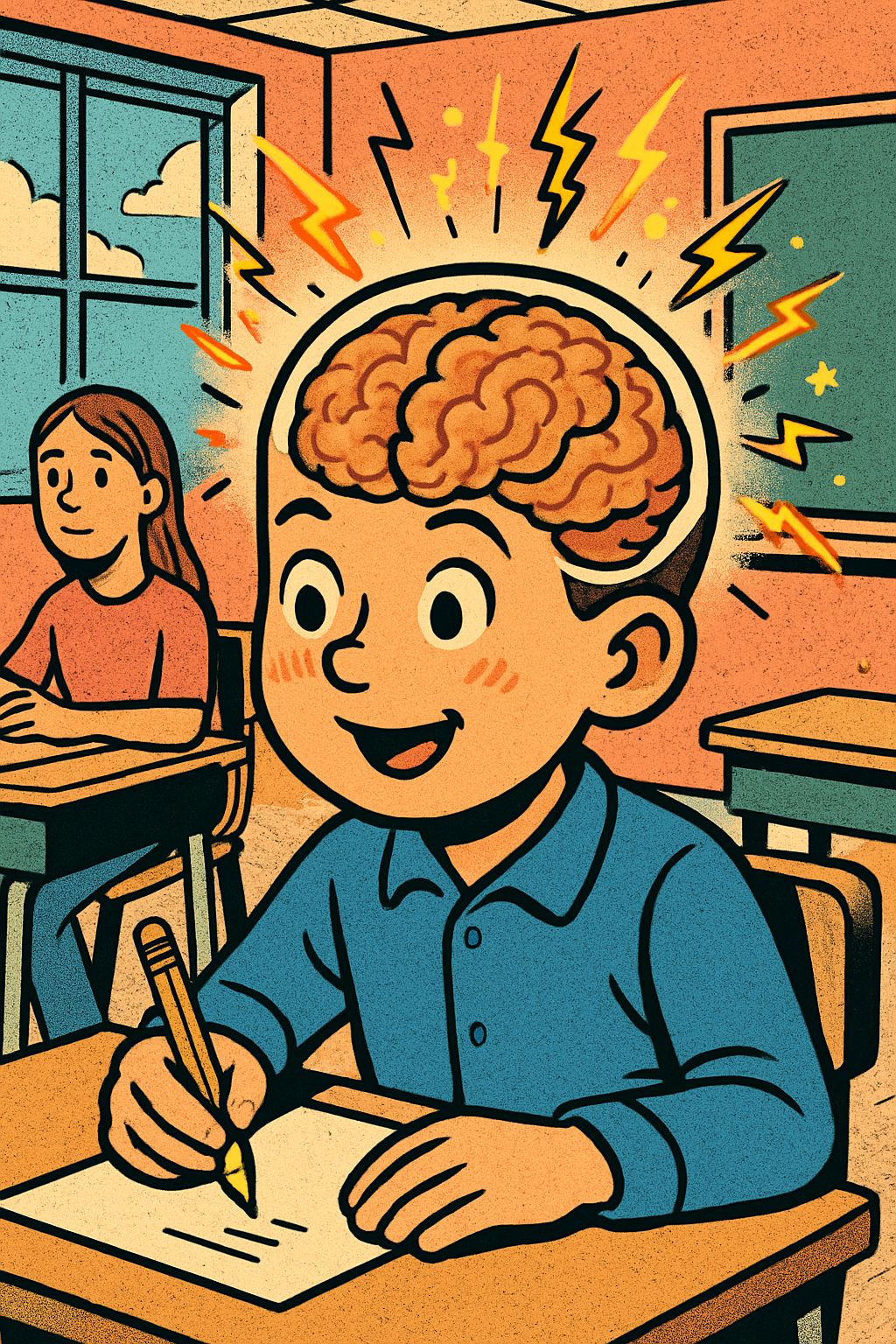
Your mood didn’t just happen today—it was chemically negotiated in your brain within the last few milliseconds.
Every thought you have, every wave of anxiety, every flicker of motivation to get off the couch, traces back to a conversation happening between your nerve cells. That conversation is carried out by neurotransmitters, the chemical messengers responsible for how you feel, think, and behave. Understanding this system doesn’t just satisfy curiosity—it changes how you approach your own mental health.
Your Brain Runs on Chemical Messages
Picture your brain as a city with billions of residents constantly passing notes to each other. Those residents are neurons, and the notes are neurotransmitters—chemical signals that cross tiny gaps called synapses to deliver information from one cell to the next. This happens trillions of times per second, forming the biological basis for everything from your racing thoughts at 2 a.m. to the calm you feel during a walk in the park.
What Neurotransmitters Actually Do
Neurotransmitters don’t just transmit information—they shape how your brain interprets and responds to the world. When a neurotransmitter is released, it binds to receptors on the neighboring cell and triggers one of three responses: excitement, calming, or fine-tuning of activity. This is why certain neurotransmitters make you feel alert and others help you wind down. Understanding the concept of metacognition can further enhance how we perceive these responses and manage our mental health effectively.
- Excitatory neurotransmitters increase the likelihood that a neuron will fire, ramping up brain activity.
- Inhibitory neurotransmitters decrease that likelihood, acting as a natural brake on overstimulation.
- Modulatory neurotransmitters adjust the strength or timing of signals rather than simply turning them on or off.
There are dozens of these chemical messengers at work in your brain at any given moment, and they rarely operate in isolation. Instead, they function as interconnected networks, shaped by your genetics, your past experiences, your relationships, and even how well you slept last night.
How Signals Cross the Synapse
The synapse is the microscopic gap between two neurons where the actual chemical handoff takes place. When an electrical signal reaches the end of a neuron, it triggers the release of neurotransmitter molecules into this gap. Those molecules then drift across and latch onto specialized receptors on the receiving neuron, like a key fitting into a lock.
Once the message is delivered, the neurotransmitter is either reabsorbed by the sending neuron, broken down by enzymes, or diffuses away. This process happens almost instantly, which is why your brain can process complex emotions and reactions in real time.
Why No Single Chemical Controls Your Mood
It’s tempting to think of neurotransmitters like simple switches—more serotonin equals more happiness, less dopamine equals less motivation. But your brain doesn’t work that way. Neurotransmitters function more like instruments in an orchestra, where the overall pattern of sound matters far more than any single note played alone. Understanding this complexity can also shed light on the psychological benefits of physical demands, which play a crucial role in mental health.
This is an important distinction because it means your emotional state is the product of many interacting systems, not one isolated chemical. That complexity is actually good news—it means there are multiple points where you can influence your mental health, not just one.
Serotonin and Your Sense of Wellbeing
Serotonin often gets called the “feel-good” chemical, and while that’s an oversimplification, it does capture part of the story. This neurotransmitter plays a central role in mood stability, feelings of wellbeing, appetite regulation, digestion, and sleep. When serotonin activity is running smoothly, you’re more likely to feel emotionally steady and resilient.
Mood, Appetite and Digestion Links
Serotonin’s influence extends well beyond mood. It helps regulate how hungry you feel, how your digestive system functions, and even how you perceive pain. This is part of why emotional distress so often shows up as physical symptoms—a knotted stomach, loss of appetite, or digestive discomfort during stressful periods.
The Serotonin-Sleep Connection
Here’s a detail that surprises a lot of people: serotonin helps your body produce melatonin, the hormone responsible for regulating your sleep-wake cycle. This biochemical link explains why mood and sleep are so tightly intertwined. When serotonin activity is disrupted, sleep quality often suffers right along with it, and poor sleep in turn makes mood regulation even harder. For a deeper understanding of how mood can fluctuate over time, you might want to explore anxiety over time.
It’s a two-way street. Struggling with sleep can throw off serotonin production, and disrupted serotonin can make restful sleep harder to achieve. Breaking this cycle often requires addressing both sides at once rather than treating them as separate problems.
Why Your Gut Matters for Mood
Much of your body’s serotonin activity is actually connected to your gut, not just your brain. This gut-brain relationship highlights just how interconnected your physical and mental health really are. The foods you eat, the health of your digestive system, and the balance of bacteria in your gut can all play a role in how stable your mood feels day to day.
This connection is one reason why nutrition is increasingly discussed as part of mental health care, alongside therapy and lifestyle changes. Your gut isn’t just processing food—it’s actively participating in your emotional regulation system.
Dopamine and the Drive to Pursue Goals
If serotonin is about steadiness, dopamine is about drive. This neurotransmitter is central to motivation, reward, focus, and even physical movement. Dopamine doesn’t just reward you after you achieve something—it fires in anticipation of a reward, which is exactly why the thrill of chasing a goal often feels as good as reaching it. For more insights into how our past experiences shape our behaviors, explore how your childhood self might still be running the show.
This anticipatory firing pattern is a key reason dopamine is so closely tied to both productive habits and addictive behaviors. Your brain releases dopamine when you check a notification, take a bite of something delicious, or make progress on a project—reinforcing the behavior that led to that release.
How Dopamine Fuels Motivation and Reward
Healthy dopamine signaling supports the drive to get out of bed, pursue meaningful work, and feel genuine pleasure in your accomplishments. Without adequate dopamine function, even simple tasks can feel like climbing a mountain, and pleasurable activities may lose their shine entirely.
What Happens When Dopamine Signalling Breaks Down
Disrupted dopamine signaling is linked with low motivation, difficulty experiencing pleasure, and in more severe cases, addictive behaviors. When this system isn’t functioning well, people often describe feeling flat, unmotivated, or disconnected from things they used to enjoy. This isn’t a character flaw—it’s a biochemical reality that affects how the brain processes reward and effort.
Understanding this distinction matters because it reframes struggles with motivation as a brain chemistry issue rather than a personal failing. That shift in perspective alone can reduce the shame many people feel when they’re struggling to find drive or joy.
The Dopamine-Habit Loop Explained
Dopamine’s role in reward helps explain why certain habits become so deeply ingrained—and why they’re so hard to break. Every time a behavior is followed by a dopamine release, your brain strengthens the neural pathway associated with that behavior, making it more automatic over time.
This is also why building new, healthier habits takes deliberate repetition before they start to feel natural. Your brain needs to form new pathways and associate them with reward, which doesn’t happen overnight. Patience and consistency aren’t just motivational slogans—they’re biologically necessary for rewiring dopamine-driven habits.
GABA: Your Brain’s Natural Brake
If dopamine is your brain’s accelerator, GABA (gamma-aminobutyric acid) is the brake pedal. This is the primary calming, inhibitory neurotransmitter in your nervous system, and its job is to dampen excess activity before it spirals into overwhelm. Without enough GABA activity, your brain can feel like it’s stuck in overdrive—racing thoughts, restlessness, and difficulty settling down even when there’s no real threat present.
GABA works by reducing the likelihood that neurons will fire, essentially putting a damper on overstimulation throughout your nervous system. This is why many anti-anxiety medications target GABA receptors specifically—they’re designed to enhance this natural braking system when it’s not functioning at full capacity on its own.
How GABA Calms an Overactive Mind
When GABA is doing its job well, you experience a sense of ease even in moderately stressful situations. Your thoughts don’t spiral, your muscles stay relatively relaxed, and you’re able to shift out of alertness mode once a stressor has passed. This inhibitory function is essential—without it, your nervous system would have no way to downshift after periods of stress or excitement.
Supporting Your Calming System Naturally
Several everyday habits support healthy GABA activity without requiring medication. Regular physical movement, deep breathing exercises, and adequate sleep all contribute to a more balanced inhibitory system. Mindfulness practices and progressive muscle relaxation techniques also appear to support this calming pathway, giving your nervous system practice at shifting out of high-alert states.
Nutrition plays a role here too, since your brain builds neurotransmitters—including GABA—from the nutrients you consume. A diet that stabilizes blood sugar and supports gut health indirectly supports this calming system, reinforcing just how connected your physical habits are to your emotional regulation.
Glutamate and the Balance of Excitement and Calm
Glutamate is GABA’s counterpart—the primary excitatory neurotransmitter in your brain. While GABA slows things down, glutamate speeds things up, increasing neural activity and keeping your brain engaged and responsive. Both are essential, and neither one is “better” than the other; what matters is the balance between them.
Without sufficient glutamate activity, your brain would struggle to form new connections, process information, or stay alert enough to function. This neurotransmitter is particularly critical for cognitive tasks that require sustained attention and active engagement with your environment. For a deeper understanding of how our cognitive processes work, you might find it interesting to explore what metacognition is and how to use it.
Glutamate’s Role in Learning and Memory
Glutamate is essential for learning and memory formation. It plays a direct role in a process called long-term potentiation, which is essentially how your brain strengthens connections between neurons every time you learn something new. Every fact you memorize, every skill you practice, and every memory you form relies on glutamate activity doing its job correctly.
The Accelerator-Brake Relationship With GABA
GABA and glutamate work together like an accelerator and a brake, constantly adjusting to keep your nervous system running smoothly. When this balance tips too far in either direction, problems emerge. Too much glutamate activity without enough GABA to balance it can contribute to anxiety, overstimulation, and even seizure activity in extreme cases. Too much GABA relative to glutamate can leave you feeling sluggish, foggy, or understimulated. The goal isn’t to maximize one or the other—it’s to keep this dynamic duo in proportion.
Noradrenaline and the Alertness Response
Noradrenaline sharpens your alertness, attention, and readiness to respond to challenges. This neurotransmitter is a key player in your fight-or-flight response, the biological system that evolved to help you react quickly to danger. When noradrenaline surges, your heart rate increases, your senses sharpen, and your body prepares for immediate action.
Short-Term Benefits of Fight-or-Flight Chemistry
In short bursts, noradrenaline is genuinely useful. It’s what helps you swerve to avoid an accident, stay focused during a high-pressure presentation, or react quickly when something unexpected happens. This system is designed for acute, temporary activation—a quick surge followed by a return to baseline once the perceived threat has passed. Understanding the psychological benefits of physical demands can help in managing stress effectively.
When Chronic Alertness Becomes Anxiety
Problems arise when noradrenaline stays chronically elevated rather than returning to normal levels. When this happens, you may feel persistently wired, anxious, and on edge—even in situations that don’t warrant that level of alertness. A perceived threat triggers both noradrenaline and cortisol, producing the physical sensations most people associate with anxiety: a racing heart, muscle tension, and a mind that simply won’t settle down.
This chronic activation can become self-perpetuating. The more your nervous system stays in this heightened state, the more sensitive it becomes to perceived threats, creating a cycle that feels difficult to break without deliberate intervention.
Endorphins and Oxytocin: The Connection Chemicals
Not every neurotransmitter is about alertness or calm—some are specifically tied to pleasure, pain relief, and connection with others. Endorphins and oxytocin fall into this category, and both play meaningful roles in protecting mental health.
These two chemicals often work together during positive social experiences, reinforcing why meaningful connection with others feels so good and why isolation can feel so painful by contrast.
How Endorphins Relieve Pain Naturally
Endorphins are your body’s natural pain-relievers, released during activities like exercise, laughter, and other pleasurable experiences. This is part of the biological explanation behind phenomena like the “runner’s high”—intense physical activity triggers an endorphin release that can create feelings of euphoria and reduced pain perception.
Oxytocin’s Role in Trust and Bonding
Oxytocin is closely associated with bonding, trust, and social connection. It’s released through warm social contact—a hug, a meaningful conversation, physical closeness with someone you trust. This neurotransmitter helps explain why supportive relationships feel so emotionally nourishing and why social isolation can be genuinely harmful to mental health over time.
How These Chemicals Shape Common Mental Health Struggles
When you understand how these neurotransmitters function individually, it becomes much easier to understand why certain mental health struggles manifest the way they do. Anxiety isn’t just “in your head”—it’s a measurable physical response driven by noradrenaline and cortisol working together. Depression often involves disrupted serotonin and dopamine activity, which is part of why low mood frequently comes paired with sleep problems and reduced motivation.
Here’s a quick breakdown of how neurotransmitter activity connects to common experiences:
- Anxiety: Often involves elevated noradrenaline and cortisol, creating physical symptoms like a racing heart and persistent tension.
- Depression: Frequently connected to disrupted serotonin and dopamine signaling, affecting mood, sleep, and motivation simultaneously.
- Burnout: Often tied to chronically elevated cortisol from prolonged, unmanaged stress.
- Social withdrawal: Can be linked to reduced oxytocin activity, making connection feel less rewarding or more effortful.
- Low motivation: Commonly associated with disrupted dopamine signaling, making even simple tasks feel disproportionately difficult.
Poor sleep and low mood so often travel together precisely because of serotonin’s dual role in both systems. Oxytocin and a calmer nervous system help you feel safe around others, which is part of why supportive relationships are so protective for long-term mental health. None of these systems operate in isolation—they’re constantly influencing each other in ways that shape your daily emotional experience.
The “Chemical Imbalance” Myth Debunked
For years, mental health struggles were popularly explained through a simple formula: too little serotonin causes depression, too much noradrenaline causes anxiety, end of story. This “chemical imbalance” theory became so widespread that it shaped how an entire generation understood mental illness.
Where the Theory Came From
The chemical imbalance explanation gained popularity partly because it was easy to understand and partly because early antidepressant medications did appear to influence neurotransmitter levels, particularly serotonin. If a medication that increased serotonin availability improved mood, the logic followed that low serotonin must have caused the problem in the first place.
What Modern Neuroscience Actually Shows
Modern neuroscience has revealed that this explanation is far too simplistic. Mental health arises from a complex interaction of biology, psychology, life experiences, relationships, and environment—not from a single neurotransmitter running low. Depression and anxiety emerge from this entire web of interacting factors, with neurotransmitter activity representing just one piece of a much larger puzzle. For instance, your childhood self might still influence your mental health today.
Why This Is Good News for You
This more nuanced understanding isn’t discouraging—it’s actually empowering. If mental health were purely a matter of fixed chemical levels, your only option would be medication. Instead, because brain chemistry responds dynamically to behavior, environment, and experience, there are multiple pathways toward feeling better, and medication is just one tool among several.
You Are Not Powerless Over Your Brain Chemistry
Here’s the part that changes everything: your brain chemistry influences how you feel and act, and how you think, behave, move, sleep, eat, and relate to others influences your brain chemistry right back. This bidirectional relationship is the doorway through which therapy and lifestyle change actually work. Understanding concepts like metacognition can further enhance your ability to influence your brain chemistry positively.
Cognitive behavioral therapy, acceptance and commitment therapy, and similar approaches change unhelpful thinking and behavior patterns, which in turn influences the brain networks and stress responses behind them. Learning to calm your fight-or-flight response directly affects noradrenaline and cortisol activity over time. Regular physical activity supports dopamine, serotonin, and endorphin function. Restorative sleep gives your brain the opportunity to reset and regulate its chemistry each night.
Frequently Asked Questions
Can Low Serotonin Alone Cause Depression?
No. While serotonin plays a role in mood regulation, depression results from a complex interaction of biology, psychology, life experiences, relationships, and environment—not from low serotonin levels alone.
Does Exercise Really Change Brain Chemistry?
Yes. Regular physical activity supports dopamine, serotonin, endorphin production, and healthy stress regulation, making it one of the most accessible ways to influence neurotransmitter activity.
How Long Does It Take to Rebalance Neurotransmitters?
This varies significantly by individual and depends on the specific intervention—whether lifestyle changes, therapy, medication, or a combination. Consistency over weeks and months tends to produce more lasting change than any quick fix.
Can Food Affect My Mental Health Through Neurotransmitters?
Yes. Your brain builds neurotransmitters from the nutrients in your food, and stable blood sugar along with a healthy gut both support mood regulation.