
Article At A Glance
- A comfort habit becomes dependence when you feel like you have to do it rather than choosing to, even when it causes harm.
- Your brain’s dopamine system drives the shift from occasional comfort-seeking to compulsive use by rewarding relief with feel-good chemicals.
- Dependence typically develops through four stages: experimental use, occasional use, heavy use, and daily or multiple-times-daily use.
- Recognizing early warning signs, like needing more of something to feel the same relief, can help you intervene before dependence takes hold.
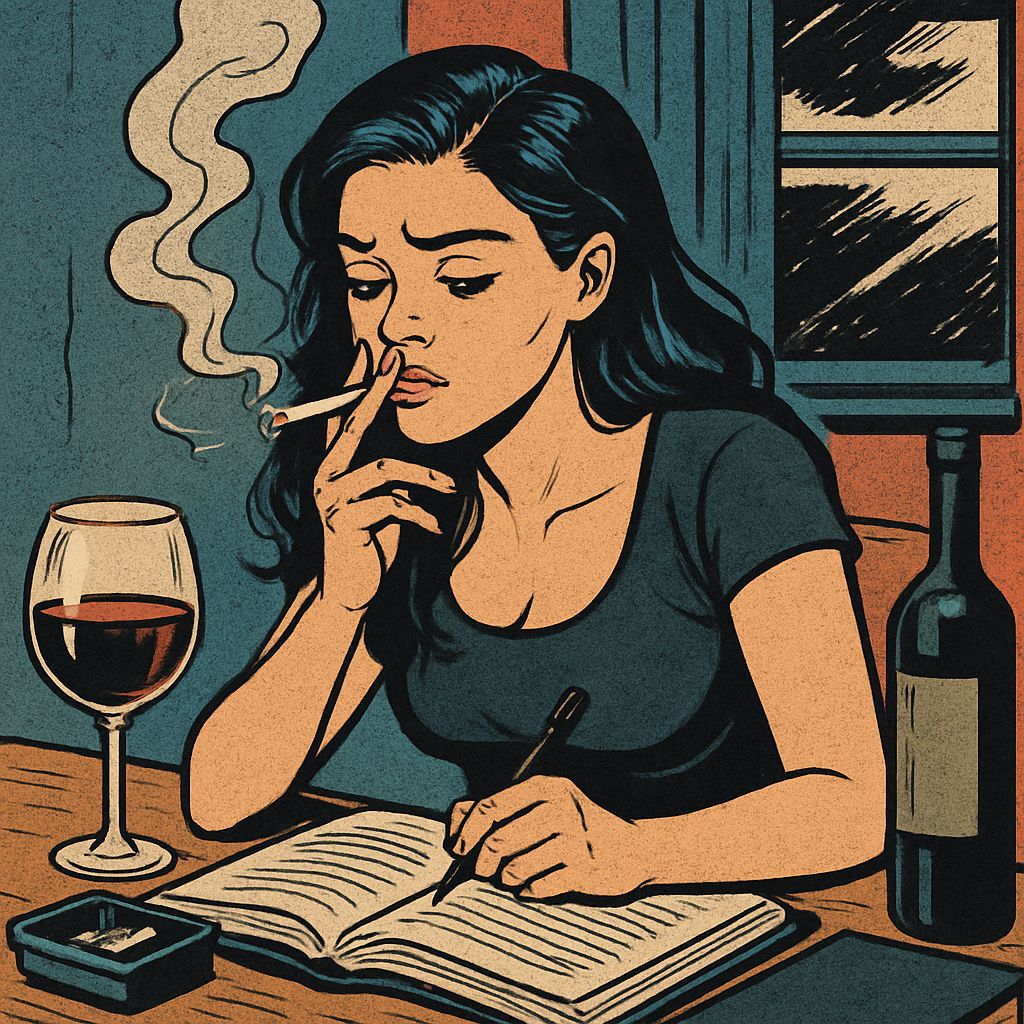
That nightly glass of wine, the scroll through social media before bed, or the extra helping of comfort food after a hard day—these habits start as relief, but somewhere along the way, they can quietly become something you can’t live without.
Comfort habits exist because they work, at least at first. They calm you down, numb a bad feeling, or give you a quick hit of pleasure when life feels overwhelming. The problem starts when your brain begins to depend on that relief rather than simply enjoying it.
What Happens in Your Brain When You Seek Comfort
Every comfort habit, whether it’s a drink, a snack, or a behavior like scrolling your phone, triggers the release of dopamine in your brain. Dopamine is the chemical responsible for that rush of pleasure and satisfaction you feel in the moment. It’s not inherently bad—dopamine is why eating a good meal or finishing a workout feels rewarding.
The trouble starts when your brain begins to expect that dopamine hit from a specific source. Once that expectation forms, your brain and body start organizing themselves around getting that reward again, even if the behavior itself isn’t good for you long-term.
Dopamine and the Brain’s Reward System
Your brain’s reward system evolved to reinforce behaviors that kept early humans alive, like eating and bonding with others. Substances and certain behaviors hijack this same system, flooding it with dopamine far beyond what natural rewards provide. That flood is what makes comfort habits feel so good so quickly, and it’s also what makes them hard to walk away from.
Why the Brain Needs More Over Time
Your brain doesn’t like staying in a constant state of high dopamine. To compensate, it adjusts its receptors, essentially turning down the volume on how strongly it responds to the habit. This adjustment means you need more of the substance or behavior to get the same feel-good reaction you used to get from less.
How Tolerance Changes Your Baseline for Feeling Good
Tolerance isn’t just about needing more—it’s about your baseline for “normal” shifting entirely. What once felt neutral now feels low, and what once felt good now barely registers unless you increase the dose, frequency, or intensity of the habit. This is exactly why people often don’t notice dependence creeping in until they try to stop and realize how hard it actually is.
The Four Stages From Comfort to Dependence
Dependence rarely happens overnight. It tends to follow a predictable path, moving through four distinct stages before it becomes a full-blown problem. Understanding the progression of anxiety over time can help in identifying these stages early.
Recognizing which stage you’re in can help you understand how urgent it is to make a change, and what kind of support might help most.
Stage 1: Experimental or Occasional Use
This is where most comfort habits begin. You try something once or twice, maybe out of curiosity or because someone recommended it as a stress reliever. At this stage, there’s no compulsion involved—you could take it or leave it, and most people do exactly that without ever progressing further.
The behavior feels optional, not necessary. You’re not thinking about it between uses, and skipping it doesn’t bother you.
For many people, this stage lasts a lifetime without ever advancing. The habit stays exactly what it was meant to be: an occasional comfort, not a crutch.
Stage 2: Regular Use for Relief
Somewhere between occasional and heavy use sits a stage where the habit becomes a go-to response for stress, sadness, or boredom. You start reaching for it more consistently, not because you’re chasing a high, but because it reliably takes the edge off. Understanding the importance of neurotransmitters in mental health can provide insight into why certain habits become so comforting.
A 2023 clinical review noted that regular use for emotional relief, rather than recreational enjoyment, is one of the clearest early markers that a habit is shifting toward dependence.
This stage can look harmless from the outside. You might still function normally at work, school, or home. But internally, you’ve started to associate the habit with coping, which sets the stage for the next phase if left unchecked.
Stage 3: Heavy Use and Loss of Control
By this stage, the habit has moved from “something I do” to “something I need.” You may find yourself using more than you planned, more often than you intended, and struggling to stick to limits you set for yourself. Attempts to cut back often fail, even when you genuinely want to stop.
Stage 4: Substance Use Disorder or Behavioral Addiction
The final stage is marked by daily or multiple-times-daily use, where the habit now dominates significant portions of your time, thoughts, and energy. At this point, stopping isn’t just difficult—it can trigger physical or emotional withdrawal symptoms. This is the stage clinicians typically diagnose as substance use disorder or behavioral addiction, depending on what the dependence involves.
How a Trigger Turns Into a Craving
Every comfort habit has an origin point, and it’s almost always a trigger. Triggers are the emotional, physical, or situational cues that make you reach for your habit in the first place, and understanding yours is key to breaking the cycle.
Common Emotional and Situational Triggers
Triggers vary widely from person to person, but some patterns show up again and again. Stress at work, conflict in relationships, loneliness, boredom, and even specific places or times of day can all act as powerful cues.
- Emotional triggers: stress, anxiety, sadness, anger, loneliness, guilt
- Situational triggers: specific locations, certain people, particular times of day
- Physical triggers: fatigue, hunger, physical pain, poor sleep
Identifying your personal triggers isn’t about assigning blame to yourself. It’s about gathering information you can actually use to interrupt the pattern before it repeats.
The Pain-Relief-Craving Cycle
Once a trigger hits, the pattern that follows is remarkably consistent: discomfort leads to craving, craving leads to the comfort habit, and the habit provides temporary relief. That relief feels so good compared to the discomfort that your brain logs it as a solution worth repeating.
Trigger → Craving → Comfort Habit → Temporary Relief → Return of Discomfort → Stronger Craving
Over time, this cycle tightens. The relief gets shorter, the discomfort returns faster, and the craving grows stronger each time. This is the exact mechanism that turns an occasional comfort habit into a dependence that feels impossible to break without outside support.
7 Signs Your Coping Habit Has Become Dependence
Dependence doesn’t announce itself with a single dramatic moment. Instead, it shows up as a collection of smaller signs that build over time, and recognizing them early gives you the best shot at making a change before things escalate. For some, these patterns might even be influenced by how your childhood self continues to affect your adult behaviors.
1. Taking More Than You Intended
You told yourself one episode, one drink, one hour—and somehow it turned into three, five, or an entire evening. This pattern of consistently exceeding your own limits is one of the clearest early indicators that a habit has moved beyond your control.
2. Strong Urges or Cravings
Cravings that show up uninvited, especially during stressful or emotional moments, signal that your brain has wired the habit into its stress-response system. These urges can feel physical, almost like an itch you can’t scratch any other way.
3. Failed Attempts to Cut Back
If you’ve tried to scale back or quit entirely more than once, only to find yourself right back where you started, that’s not a willpower failure. It’s a sign that dependence has taken hold strongly enough to override your intentions.
4. Mood Swings Tied to Access
Pay attention to how your mood shifts based on whether you have access to your comfort habit. Irritability, anxiety, or a short temper when the habit isn’t available often points to a deeper reliance than you may have realized.
These mood changes aren’t random. They reflect your brain and body reacting to the absence of something they’ve come to expect as a regulator.
Over time, this emotional volatility can bleed into relationships, work performance, and your overall sense of stability, making the dependence even harder to ignore.
5. Withdrawing From Work, School, or Family
When a comfort habit starts taking priority over responsibilities and relationships, it’s no longer just a coping tool. You might start skipping commitments, pulling away from loved ones, or making excuses to avoid situations that interfere with the habit.
6. Losing Interest in Things You Used to Enjoy
Hobbies, friendships, and activities that once brought you joy can start to feel flat or unimportant compared to the relief the habit provides. This narrowing of interest is a hallmark of dependence, as the brain increasingly prioritizes the habit over everything else.
This shift often happens gradually enough that it’s easy to miss until someone close to you points it out, or until you notice how little else excites you anymore. This can be similar to how the sunk cost fallacy affects our decisions, where we continue with something simply because we’ve already invested in it.
Reclaiming interest in other parts of life is often one of the first signs that recovery is taking hold.
7. Spending More Time, Money, and Energy on the Habit
Dependence has a way of expanding to fill whatever space you give it. You might notice you’re spending more money than you used to, carving out more time for the habit, or mentally preoccupied with planning your next opportunity to engage in it.
This escalation is rarely intentional. It happens because the habit requires more investment over time to deliver the same payoff, pulling resources away from other areas of your life.
3 Steps to Break Free From a Harmful Comfort Habit
Breaking dependence rarely happens in one dramatic moment. Instead, it tends to follow a structured process that addresses the physical, behavioral, and mental layers of the habit, one step at a time. Understanding the importance of neurotransmitters can also play a crucial role in managing these habits effectively.
1. Withdrawal Management and Detox
The first step is stopping the substance or behavior itself, often with support to manage the physical symptoms that come with it. Depending on what you’re dependent on, this might involve medication, medical supervision, or simply removing trigger foods or items from your environment.
- Methadone, buprenorphine, or naltrexone for opioid dependence
- Naltrexone, acamprosate, or disulfiram for alcohol dependence
- Nicotine patches, bupropion, or varenicline for tobacco dependence
These medications don’t erase dependence overnight, but they can significantly reduce the intensity of withdrawal symptoms, making the early days of quitting more manageable.
Detox should never be rushed or forced without proper support, especially for substances where withdrawal can carry medical risk. Working with a healthcare provider during this phase can mean the difference between a safe transition and a dangerous one.
Once the physical dependence starts to ease, you’re in a better position to address the behavioral and emotional patterns that kept the habit going in the first place.
2. Behavioral Modification and Trigger Identification
With the physical piece underway, attention shifts to identifying what triggers the habit and building new responses to replace it. This often involves working with a therapist using approaches like cognitive behavioral therapy (CBT) or dialectical behavior therapy (DBT), both of which help you recognize thought patterns that fuel the dependence and replace them with healthier coping strategies.
3. Mindful Management and New Routines
The final step focuses on building sustainable, long-term routines that replace the old comfort habit with healthier sources of relief. This might include meal planning for food-related dependence, scheduled mindfulness practices, or simply structuring your day so the old triggers have less room to take hold.
Mindful management isn’t about perfection. It’s about creating enough structure and self-awareness that when old triggers do appear, you have a plan ready instead of defaulting back to the habit out of habit itself. For more insights on managing these triggers, explore anxiety over time.
Frequently Asked Questions
These are some of the most common questions people ask when they start to suspect a comfort habit has turned into something more serious.
How do I know if my comfort habit has become an addiction?
The clearest sign is a loss of choice. If you can skip the habit without much trouble, it’s likely still just a habit. If skipping it causes significant distress, cravings, or withdrawal symptoms, that points toward dependence or addiction.
Pay attention to whether the habit is interfering with work, relationships, or your sense of control over your own choices. These are the areas where addiction tends to show up most clearly.
If you’re unsure, a healthcare provider can conduct a proper evaluation, since diagnosis typically requires meeting specific criteria over a 12-month period. For a deeper understanding of how anxiety can evolve, you might want to explore anxiety over time.
Can food really be addictive like a substance?
Yes. Highly palatable foods, meaning foods high in sugar, salt, and fat, trigger the same dopamine release in the brain as substances do. This can lead to a genuine physiological, psychological, and behavioral disorder known as food addiction.
Signs include loss of control around eating, physical cravings, guilt or shame after eating, and needing more food over time to feel the same satisfaction.
Is it safe to quit a habit cold turkey?
It depends entirely on what the habit involves. For some substances, particularly alcohol and certain medications, quitting cold turkey can be medically dangerous and should be done under professional supervision rather than alone.
What should I do if I relapse after trying to quit?
Relapse is common and doesn’t mean you’ve failed. Many people return to old patterns even years after stopping, which is exactly why ongoing support and a strong network matter so much throughout recovery. Understanding the psychological aspects, such as catastrophizing, can also be beneficial in managing setbacks.
If you relapse, the most productive next step is reaching back out to your support system or healthcare provider rather than giving up on the progress you’ve already made.
Who should I talk to first if I think I have a problem?
Start with whoever feels safest and most accessible to you, whether that’s a doctor, therapist, trusted friend, or a support line. The goal of that first conversation isn’t to have all the answers, just to stop carrying the weight of it alone.
From there, a professional can help you figure out next steps, whether that means therapy, medical support, or connecting with a structured program suited to your specific situation.
- A primary care doctor who can refer you to specialists
- A licensed therapist experienced in addiction or behavioral health
- A crisis or support line if you need to talk to someone right away
When a comfort habit stops helping, it can signal a shift from relief to dependence. This transition often marks the onset of addiction, where the brain begins to rely on certain substances or behaviors to function.