Article At A Glance
- Fear of making the wrong choice usually isn’t about the decision itself, it’s about what you believe the decision will cost you emotionally.
- Decision anxiety often traces back to environments where mistakes were punished or love felt conditional, teaching your brain that “wrong” equals unsafe.
- Replacing “Is this the right choice?” with “Is this aligned with me right now?” can break the cycle of endless second-guessing.
- Self-trust gets rebuilt through small, low-stakes decisions, not by white-knuckling your way through the big ones.
- Find a practical method for calculating exactly how much time your overthinking is actually costing you.
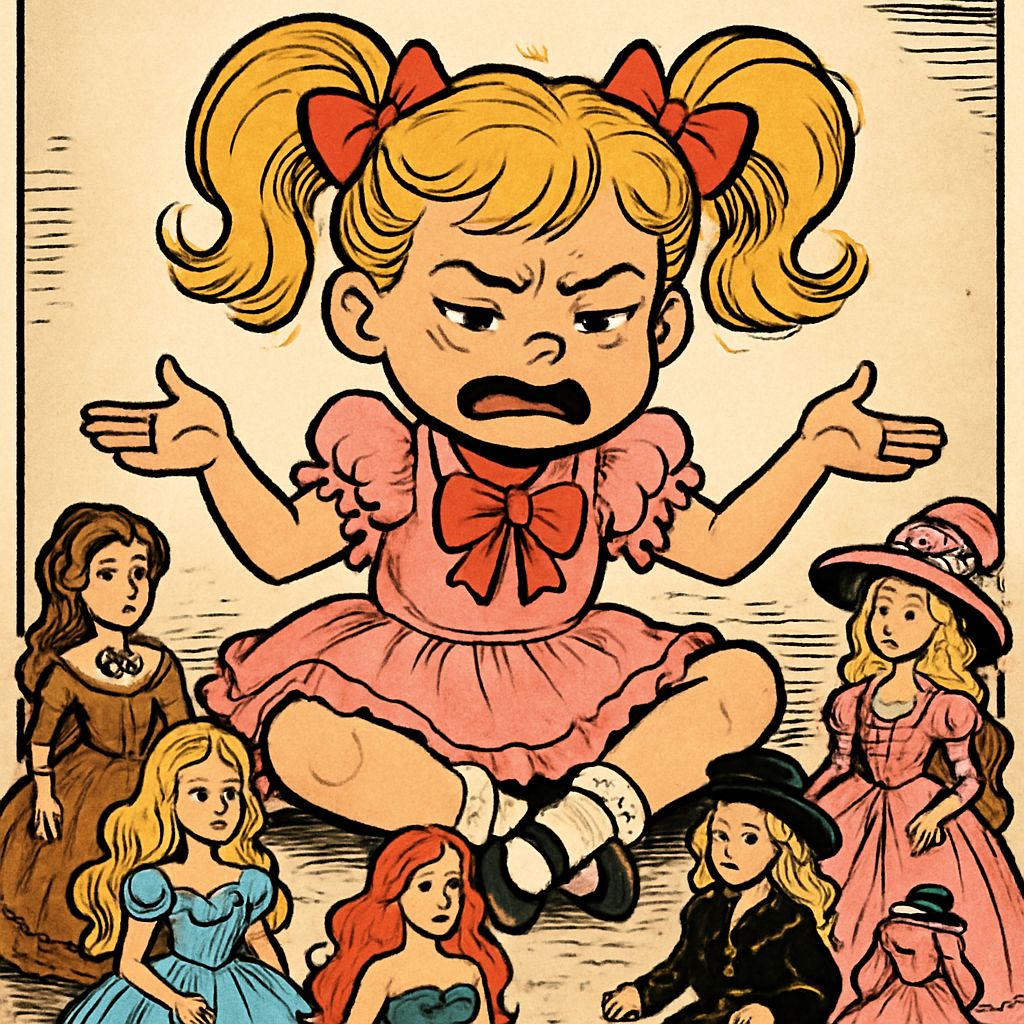
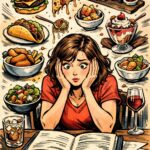
You freeze over a restaurant menu for ten minutes, then feel your stomach drop the second you order something different. That tiny moment of dread? It’s the same fear that keeps you stuck on job offers, relationships, and life-changing decisions for weeks or months at a time. If you’ve ever wondered why a simple choice feels like defusing a bomb, you’re not broken, and you’re not alone.
Second-guessing yourself isn’t a personality flaw. It’s a learned response, and like anything learned, it can be unlearned.
Why Your Brain Freezes Before Big Decisions
Your brain is wired to avoid pain more urgently than it seeks pleasure, which means the possibility of a bad outcome often feels louder than the possibility of a good one. When a decision carries any weight at all, your mind starts running worst-case scenarios on a loop, searching for the one option that guarantees zero regret. The problem is that no such option exists, so the search never actually ends.
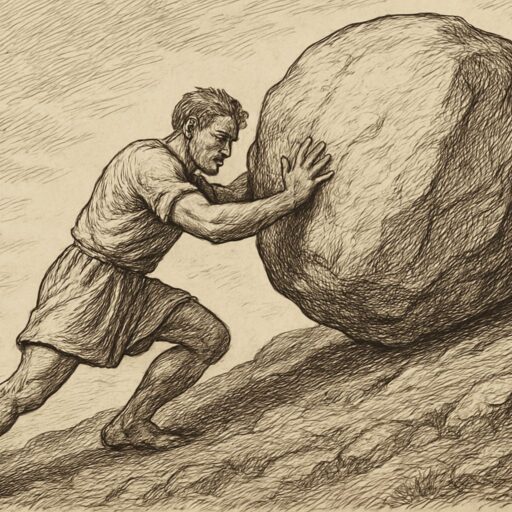
The irony is that waiting for certainty doesn’t make you safer. It just delays the inevitable discomfort while adding a layer of exhaustion on top.
The Trap of Chasing Perfect Outcomes
Here’s a hard truth: perfect doesn’t exist, because “perfect” looks different to everyone who’s judging the outcome. Chasing it means you’re aiming at a target that keeps moving depending on who’s watching, including the harshest critic in the room, which is usually you. The moment you accept that “perfect” is a myth, the pressure to find it starts to lose its grip.
What Overthinking Actually Costs You in Hours and Energy
Overthinking feels productive, like you’re doing the responsible thing by weighing every angle. But if you’ve been stuck on a decision for a week or more, try this: estimate how many hours per day you’ve spent thinking about it, then multiply that by the number of days it’s been eating at you. Most people are shocked to discover they’ve burned twenty, thirty, even fifty hours on a choice that could have been made in an afternoon.
That number matters because it shows you the real price of indecision isn’t just mental fatigue, it’s time you’ll never get back. Once you see the math, the “safety” of waiting starts to look a lot less safe.
The Real Reason You Fear Choosing Wrong
Most people assume their decision anxiety is about the decision. It rarely is. More often, the fear is rooted in something that happened long before the choice in front of you ever existed, and the current decision just triggered it.
How Childhood Taught Your Nervous System That Mistakes Are Dangerous
If you grew up in a home where mistakes led to punishment, where love felt conditional on getting things right, or where the wrong choice sparked conflict, your nervous system learned an important lesson early on: getting it wrong is not safe. That lesson doesn’t disappear just because you’ve grown up. It shows up decades later when you’re staring at a menu, a job offer, or a relationship decision, and your body reacts as if the stakes are just as high as they were when you were six years old.
- Mistakes were met with criticism, punishment, or withdrawal of affection
- Love or approval felt tied to performing or deciding “correctly”
- Choices regularly led to arguments, tension, or conflict at home
- Your opinions were dismissed or overridden by caregivers
Recognizing this pattern doesn’t fix it overnight. But it does explain why a decision about paint colors can trigger the same physical response as something life-altering, because your nervous system isn’t responding to the paint. It’s responding to old data.
It’s Not the Decision, It’s What You Think It Will Cost You
Underneath the fear of choosing wrong is almost always a fear of what that wrong choice will cost you. That cost isn’t usually financial or practical. It’s emotional.
- Losing connection with someone you care about
- Disappointing a person whose opinion matters to you
- Being rejected or judged for the choice you made
- Confirming a fear that something is fundamentally wrong with you
When you unconsciously believe a decision could cost you one of these things, your brain treats it like a threat to your safety, not just a practical choice. That’s why even small decisions can trigger a disproportionately large reaction.
The Deeper Questions Hiding Behind “What If I Choose Wrong?”
“What if I choose wrong?” is rarely the real question. It’s a stand-in for something more vulnerable: What if I’m not enough? What if this proves I can’t trust myself? What if people see me differently afterward? Once you identify the real question underneath, the original decision usually becomes a lot less terrifying, because you’re no longer solving an impossible problem. You’re addressing a fear that can actually be worked through, understanding why fear feels different when you know you’re safe.
5 Signs You’re Stuck in Decision Fear
Decision fear doesn’t always look like obvious panic. More often, it hides inside habits that feel normal, even responsible, until you recognize the pattern underneath, such as the sunk cost fallacy.
1. Freezing Over Small, Everyday Choices
When choosing between two brands of coffee or two routes to work takes up real mental space, that’s not pickiness. That’s your nervous system treating low-stakes choices like they carry the same weight as life-altering ones.
2. Constantly Asking Others What You Should Do
There’s nothing wrong with seeking advice. But if you find yourself unable to move forward without someone else’s input, even on decisions that only affect you, it’s a sign you’ve outsourced your own judgment because trusting it feels too risky.
3. Replaying Conversations and Choices in Your Head
Long after a conversation ends or a decision is made, your mind keeps running it back, searching for a different word you could have said or a different option you should have picked. From the outside, this looks like overthinking. From the inside, it feels like trying to outrun a mistake that already happened.
4. Waiting to Feel “Sure” Before You Act
Certainty feels like a prerequisite for action, so you wait for it before moving forward on anything that matters. The trouble is, certainty rarely shows up before a decision. It shows up afterward, once you’ve lived with the choice long enough to see how it unfolds.
Waiting for a feeling that only arrives after the fact means you could be waiting forever. That’s not patience, it’s a trap disguised as caution.
5. Changing Your Mind to Escape Discomfort
You commit to a decision, feel a wave of doubt an hour later, and suddenly reverse course just to make the discomfort stop. This isn’t flexibility. It’s a pattern of using reversal as an escape hatch anytime a choice starts to feel uncertain, which keeps you perpetually unanchored.
Why Trying to Eliminate All Risk Keeps You Stuck
Searching for the one decision that removes all risk is like searching for a square circle. It sounds reasonable in theory, but it doesn’t exist in reality, and chasing it only burns time and energy you could spend actually living your life. Understanding concepts like the sunk cost fallacy can help in recognizing why we sometimes stick with decisions for too long.
No Decision Can Guarantee Safety or Approval
Even the objectively “right” choice can lead to disappointment, misunderstanding, or an outcome you didn’t see coming. That’s not a sign you chose wrong, it’s simply how life works. Once you stop expecting any decision to guarantee comfort or approval, you free up enormous mental space that was previously spent trying to engineer an impossible outcome.
The “Mostly Fine Decision” Method
Instead of hunting for the perfect choice, aim for what’s been called a “Mostly Fine Decision,” or MFD. This reframes the entire process from an impossible standard to an achievable one.
What Counts as a Mostly Fine Outcome
An MFD is defined as the minimum outcome you’re willing to accept as a consequence of a decision. Instead of asking “will this be amazing,” you ask “can I live with this if it turns out just okay.” That shift alone takes an enormous amount of pressure off.
Most decisions you agonize over aren’t actually high-stakes once you strip away the anxiety. They’re everyday choices that feel bigger than they are because your brain has attached unnecessary weight to them.
Why “Perfect Is the Enemy of Good”
This old phrase holds up because perfect is subjective, shifting depending on who’s evaluating the result. Chasing a standard that changes based on the observer means you’ll never actually arrive anywhere. Good, solid, and workable are standards you can actually hit.
How to Spot Your Dealbreaker Before You Decide
Before committing to a choice, ask yourself what the worst-case outcome could realistically be. Then ask if that outcome is something you could survive, even if it wasn’t pleasant. If the answer is yes, you’ve just identified that there’s no true dealbreaker standing in your way, only discomfort, and discomfort is survivable.
- Name the worst realistic outcome, not the catastrophic imagined one
- Ask whether that outcome is reversible or permanent
- Decide in advance if that outcome is something you could live with
Ask This Instead of “Is This the Right Choice?”
“Is this the right choice?” is a question with no reliable answer, because “right” can only be judged after the fact, if ever. A better question exists, and it changes everything about how decisions feel. Understanding the psychology behind catastrophizing can help in making more informed decisions.
What an Aligned Choice Actually Looks Like
Instead of asking if a choice is right, ask if it’s aligned with you right now. Aligned choices are honest. They’re grounded in your current values and circumstances, not in fear of what someone else might think.
Basing Decisions on What You Know, Not What You Fear
Fear-based decisions are built on hypothetical disasters that haven’t happened yet. Aligned decisions are built on what you actually know today, about your situation, your needs, and your values. One is rooted in imagination; the other is rooted in reality.
When you catch yourself spiraling into “what if” scenarios, pause and ask what you actually know to be true right now. That question alone can pull you out of fear and back into clarity.
Decision Fear Fades the Moment You Choose Alignment Over Certainty
“Perfect is the enemy of good.” The pursuit of a flawless decision has stopped more people from moving forward than any actual bad decision ever has.
Certainty was never available to you in the first place, no matter how long you waited or how much information you gathered. What is available is alignment, honesty with yourself about what you know and what you value right now. That’s a standard you can actually meet, decision after decision.
Confidence doesn’t arrive before you start making choices more easily. It arrives because you started making them, small ones first, then slightly bigger ones, each one proving that you can handle whatever comes next. This process can help overcome self-sabotage and build a stronger sense of self-assurance.
The fear of making the wrong choice loses its grip the moment you stop measuring decisions by an impossible standard and start measuring them by whether they’re honest, aligned, and survivable.
Frequently Asked Questions
Decision fear raises a lot of practical questions once you start paying attention to the pattern. Here are answers to the ones that come up most often.
Why do I feel physically sick before making a decision?
Your body treats emotional threats the same way it treats physical ones, triggering nausea, tight chest, or a racing heart when a decision feels high-stakes. This happens because your nervous system can’t tell the difference between “this choice might disappoint someone” and “this choice is physically dangerous.” The sick feeling is your body’s alarm system firing, even when there’s no real danger present.
Breathing slowly and naming the fear out loud, “I’m afraid this will disappoint someone,” can help calm that physical response enough to think clearly again.
Is fear of making the wrong choice a form of anxiety?
Yes, decision fear is closely tied to anxiety, though it often shows up in specific ways rather than as constant, generalized worry.
- Racing thoughts that loop around the same decision repeatedly
- Physical symptoms like a tight stomach or shallow breathing before choosing
- An intense need for certainty before taking any action
- Difficulty concentrating on anything else until the decision is resolved
If these patterns show up frequently, across both big and small decisions, it may point to a broader anxiety pattern worth addressing directly rather than decision by decision.
That said, not everyone who struggles with decisions has a diagnosable anxiety disorder. Sometimes it’s simply a learned habit from childhood that hasn’t been unlearned yet.
How long does it take to stop overthinking decisions?
There’s no universal timeline, since it depends on how deeply the pattern is rooted and how consistently you practice new responses. Most people notice a real shift within a few weeks of practicing small, independent decisions daily.
Can therapy help with chronic indecisiveness?
Therapy can be especially useful when decision fear traces back to childhood experiences involving punishment, conditional love, or conflict around choices. A therapist can help identify the original source of the fear and work through it directly, rather than just managing the symptoms decision by decision.
For many people, combining therapy with daily small-decision practice produces faster, more lasting results than either approach alone. This combination can help address underlying issues such as self-sabotage, leading to more effective decision-making.
What’s the fastest way to make a hard decision today?
Ask yourself what the worst realistic outcome would be, and whether you could live with it. Then ask whether the choice aligns with what you know and value right now, not what you fear might happen.
If both answers point in the same direction, commit and move forward, even without full certainty.
Certainty was never coming anyway, so waiting for it only costs you time you could be spending living with your decision instead of circling it.