
Cognitive (Thinking)
-

Memory Isn’t Recorded: Reconsolidation, Reconstruction, and Recall
Memory isn’t a mental videotape; it’s a dynamic narrative, reconstructed with each recall. Rather than perfect playback, your brain reassembles fragments, subtly altering them along the way. This discovery reshapes our understanding of eyewitness testimony, therapy, and our own histories, illustrating the fluidity of memory…
-

The Psychology of Keeping Score in Relationships
Keeping score in relationships—the mental tally marking each partner’s contributions—can impact happiness over time. Research reveals that couples who track give-and-take extensively experience lower relationship satisfaction. This mindset often leads to resentment, obscuring positive actions and fostering conflict. Discover how this dynamic unfolds and what it means for your love…
-

Why Fear Feels Different When You Know You’re Safe
When adrenaline kicks in, fear’s thrill overtakes terror, even as you sit safely on your couch. This controlled fear response, often called “benign masochism,” is why we relish in horror movies and roller coasters alike, leaving us with racing hearts but laughing it off with friends…
-

Catastrophizing Psychology: Is It Really That Bad?
Catastrophizing is when your mind assumes the worst outcomes without evidence. This common thinking trap exacerbates anxiety and depression but can be managed. Discover practical techniques to interrupt these thought spirals and effectively communicate with loved ones stuck in catastrophic thinking…
-

The Sunk Cost Fallacy: Why We Can “Stick With It” For Too Long
The sunk cost fallacy influences decisions by making past investments seem like reasons to continue. Though named after the doomed Concorde project, this bias extends far beyond. Understanding why we stay can reveal how fear of loss and reputation keep us stuck in avoidable ruts…
-
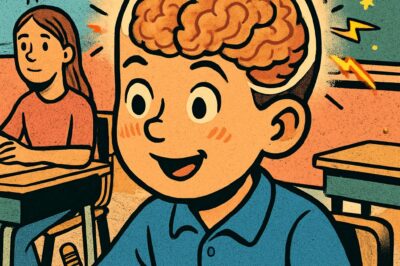
The Importance of Neurotransmitters for Mental Health
Every emotion you feel is shaped by neurotransmitters, the chemical messengers in your brain. These chemicals regulate mood, motivation, and stress, integrating with lifestyle choices. Discover how serotonin, dopamine, GABA, and glutamate play roles in mental health—and why your brain chemistry is not fixed…
-

Best Practice: How To Handle A Difficult Co-worker
Dealing with difficult coworkers can be challenging, but altering your reaction makes all the difference. Discover how to handle the Pessimist, the Passive-Aggressive Peer, or the Know-It-All with tested communication tactics and protect yourself in the workplace by adjusting your response and maintaining professionalism…
-

Your Childhood Self Might Still Be Running The Show
Your inner child influences your adult behavior. Unprocessed childhood experiences manifest as anxiety and relationship struggles. Survival responses from childhood trigger outsized reactions to minor stress today. Healing isn’t about blame; it’s about separating who you were from who you are now, starting with awareness…
-

A Closer Look at Anxiety Over Time
Anxiety isn’t new—it’s just evolved faster than our brains have. From ancient Greek treatments to modern neuroscience, the story of anxiety is about humanity deciphering fear. Explore how age-old practices like mindful breathing are resurging in today’s therapy, echoing an ancient quest for calm…
-

Are We All Hypocrites? Standard Psychology
Hypocrisy is pretending to have a single standard when nobody actually does. We criticize others’ double standards while ignoring our own. Understanding this discrepancy can improve our self-awareness and interactions. Delving into why accusations of hypocrisy often come in pairs can reveal much about our gut reactions…