
Article-At-A-Glance
- Emotional regulation is not about suppressing feelings — it’s about managing them in ways that serve you and your relationships.
- People with strong emotional regulation skills experience measurably better mental health, physical health, and relationship outcomes.
- Emotional dysregulation is one of the leading hidden causes of conflict, burnout, and relationship breakdown in adults.
- There are five proven strategies for building emotional regulation skills — and one of them takes less than five minutes a day.
- Emotional regulation can be learned and improved at any age with the right tools and consistent practice.
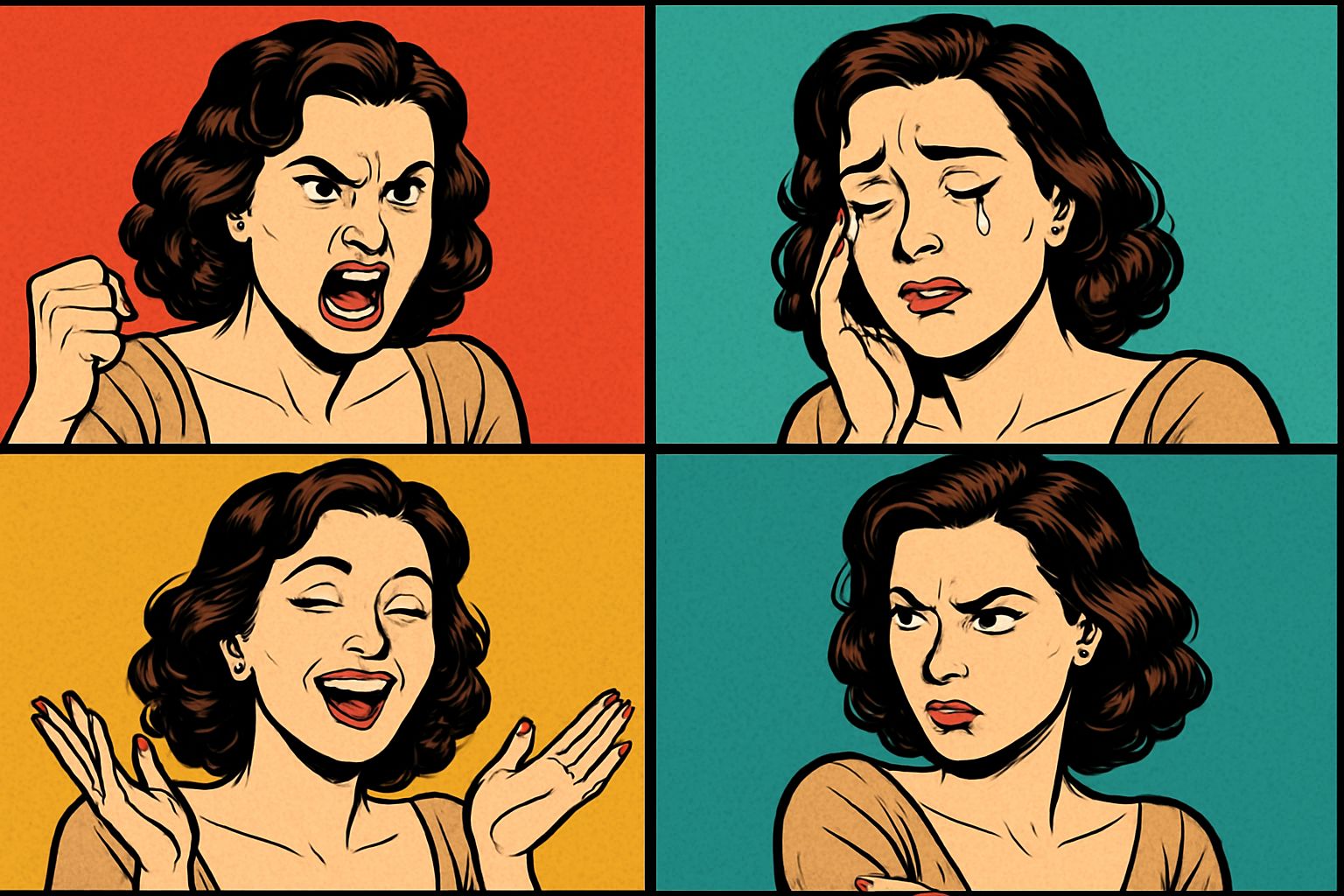
Throughout life – relationship problems, career setbacks, and stress-related health issues usually trace back to one root cause: the inability to manage emotions in the moment, as they arise.
That might sound like a bold claim, but the research backs it up. Emotional regulation — the ability to recognize, understand, and constructively manage your emotional responses — sits at the core of nearly every marker of personal well-being. From how you communicate with a partner to how you perform under pressure at work, the skill of regulating emotions shapes outcomes in ways most people underestimate.
What Emotional Regulation Actually Means
Emotional regulation is the ability to exert control over your own emotional state in a healthy and constructive way. This can include rethinking a challenging situation to reduce anger or anxiety, finding reasons to shift perspective toward calm, or choosing how and when to express what you feel. It is not a passive process — it requires active awareness and deliberate response. For more insights consider reading about how to respond instead of react.
Emotional regulation is not the same as emotional control in the rigid sense. It does not mean eliminating emotions or becoming a stoic. It means developing a relationship with your emotions where they inform your decisions without dictating them.
The Difference Between Suppressing and Regulating Emotions
Suppression means pushing an emotion down and pretending it isn’t there. Regulation means acknowledging the emotion, understanding what triggered it, and choosing a response that aligns with your values and goals. Suppression tends to backfire — research consistently shows that unexpressed emotions resurface with greater intensity. Regulation, by contrast, reduces emotional intensity over time while improving self-awareness.
Emotional Awareness as the Foundation
Before you can regulate an emotion, you have to recognize it. Emotional awareness involves identifying what you are feeling, naming it accurately, and understanding where it comes from. This sounds straightforward, but many adults have spent years either numbing or reacting to emotions without ever pausing to examine them.
Developing emotional awareness is the first and most critical step in the regulation process. Without it, every other strategy becomes harder to apply. Think of it as the diagnostic step before the fix.
How Emotional Regulation Strengthens Relationships
Relationships — whether romantic, familial, or platonic — are emotional ecosystems. When one person struggles to regulate their emotions, the ripple effects are felt by everyone in that system. Poor emotional regulation in relationships often shows up as:
- Impulsive reactions during conflict that escalate situations unnecessarily
- Difficulty expressing needs without blame or defensiveness
- Jealousy or anxiety that creates distance rather than closeness
- Mood swings that make a partner feel like they are walking on eggshells
- Shutting down emotionally during difficult conversations
When both individuals in a relationship develop stronger emotional regulation skills, the entire dynamic shifts. Conversations become safer, conflicts resolve faster, and emotional intimacy deepens because vulnerability feels less threatening.
Real-World Example: Consider two partners navigating a disagreement about finances. Without emotional regulation, one partner may become defensive and the other may shut down entirely — ending the conversation without resolution and adding another layer of resentment. With emotional regulation, both partners can acknowledge frustration, pause before reacting, and re-engage with the goal of problem-solving rather than winning.
Clearer Communication With Less Conflict
Emotional regulation directly improves communication quality. When you are not flooded with unmanaged emotion, you can choose your words more deliberately, listen more actively, and stay present in a conversation even when it gets uncomfortable. This is especially important during conflict, where the temptation to react impulsively is strongest.
Couples and individuals who practice emotional regulation tend to fight less frequently — and when they do, they recover faster. The repair process after conflict becomes shorter because both people are better equipped to de-escalate and reconnect.
Deeper Emotional Intimacy and Trust
Trust in a relationship is built incrementally through consistent, safe emotional interactions. When your partner knows that you can handle difficult emotions without exploding, withdrawing, or retaliating, they feel safer being vulnerable with you. That safety is the foundation of deep emotional intimacy.
Setting and Respecting Boundaries
Healthy boundaries require emotional regulation on both sides. Setting a boundary without emotional flooding means you can communicate it clearly and calmly. Receiving a boundary without dysregulation means you can hear it without taking it as a personal attack.
Many boundary failures in relationships are not about a lack of desire to respect limits — they are about emotional reactivity overwhelming rational intention in the moment. Stronger regulation skills close that gap significantly.
|
Relationship Area |
With Poor Emotional Regulation |
With Strong Emotional Regulation |
|---|---|---|
|
Conflict Resolution |
Escalation, avoidance, unresolved tension |
Calm dialogue, faster repair, mutual solutions |
|
Communication |
Reactive, defensive, or shutdown responses |
Clear, deliberate, and empathetic expression |
|
Intimacy |
Emotional distance, fear of vulnerability |
Deeper trust and authentic connection |
|
Boundaries |
Overreaction or inability to hear limits |
Calm setting and respectful acknowledgment |
The Impact on Mental Health and Well-Being
The mental health benefits of emotional regulation are among the most well-documented in psychological research. Individuals who develop strong regulation skills consistently report lower levels of anxiety, reduced depressive symptoms, and greater overall life satisfaction. This is not coincidental — the mechanisms connecting regulation to mental health are direct and well understood.
Reduced Anxiety and Stress Responses
Anxiety often intensifies when emotions feel uncontrollable or unpredictable. The simple act of developing a toolkit for managing emotional responses — even knowing that you have tools — reduces the threat perception that feeds anxiety loops. Mindfulness-based emotional regulation techniques, in particular, have been shown to lower the frequency and intensity of anxious responses by interrupting the cognitive patterns that sustain them.
Protection Against Depression
Emotional dysregulation is closely linked to depressive episodes. When emotions like sadness, shame, or hopelessness are neither acknowledged nor processed, they tend to compound over time. People who lack effective regulation strategies are more likely to ruminate — replaying negative experiences on a loop — which is one of the strongest predictors of depression onset and recurrence.
Building emotional regulation skills actively interrupts this cycle. By developing the ability to acknowledge difficult emotions without being consumed by them, individuals create psychological breathing room that makes sustained low mood far less likely to take hold. This is one reason why Cognitive Behavioral Therapy (CBT), which is fundamentally a regulation-building intervention, is among the most effective treatments for depression available today.
How Emotional Regulation Boosts Performance at Work
The workplace is one of the highest-stakes environments for emotional regulation. Deadlines, interpersonal conflict, performance pressure, and uncertainty are constant — and how you respond emotionally to each of these directly shapes your output, your reputation, and your relationships with colleagues. Professionals who regulate emotions effectively consistently outperform those who do not, not because they feel less, but because they respond more deliberately.
Better Decision-Making Under Pressure
When emotions run high, the brain’s prefrontal cortex — responsible for rational thinking, planning, and judgment — becomes less accessible. Emotional flooding effectively hijacks the decision-making process, pushing people toward reactive, short-sighted choices. Strong emotional regulation keeps this pathway open, allowing for clearer thinking even when the stakes are high and time is short. This is why emotionally regulated leaders tend to make more consistent, strategic decisions compared to those prone to reactive outbursts or anxiety-driven avoidance.
Stronger Focus and Productivity
Unmanaged emotions are one of the most significant and underacknowledged productivity killers in professional settings. Ruminating over a difficult conversation, stewing in frustration after a setback, or spiraling into anxiety about an upcoming presentation all consume cognitive bandwidth that would otherwise go toward meaningful work.
Emotional regulation reclaims that bandwidth. When you can process an emotion quickly and return to a grounded state, the interruptions to your focus become shorter and less frequent. Over time, this compounds into measurably higher output and a greater sense of professional confidence and control.
Conflict Management in Professional Settings
Workplace conflict is inevitable. How it gets handled — and how quickly it gets resolved — depends enormously on the emotional regulation capacity of the people involved. Employees and leaders who can stay calm under interpersonal pressure are better equipped to de-escalate tension, find common ground, and prevent minor disagreements from becoming costly team dysfunction.
This is not just about being “nice” or avoiding confrontation. Emotionally regulated professionals can actually engage more directly and honestly in difficult conversations because they are not operating from a place of emotional threat. That combination of directness and calm is one of the most valued interpersonal skills in high-performing teams.
Physical Health Benefits Tied to Emotional Regulation
The connection between emotional health and physical health is no longer a fringe idea — it is well-established in medical and psychological research. Chronic emotional dysregulation places the body in a sustained state of physiological stress, which over time damages nearly every major body system. Developing emotional regulation skills is, quite literally, an investment in physical longevity.
Lower Cortisol Levels and Reduced Inflammation
When you experience an unregulated emotional response — particularly fear, anger, or anxiety — your body releases cortisol, the primary stress hormone. Short-term cortisol spikes are normal and even useful. But when emotional dysregulation is chronic, cortisol levels remain persistently elevated, which has been linked to increased systemic inflammation, weakened immune function, cardiovascular strain, and accelerated cellular aging. Emotional regulation practices, especially mindfulness-based techniques, have been shown to reduce cortisol output and lower inflammatory markers over time.
Better Sleep Quality
Emotional dysregulation and poor sleep exist in a mutually reinforcing cycle. Unprocessed emotions — particularly anxiety, anger, and unresolved conflict — activate the nervous system in ways that make it extremely difficult to fall and stay asleep. Individuals who build stronger emotional regulation skills report significantly improved sleep onset and sleep quality, largely because they are better able to mentally disengage from emotionally charged content before bed. Learn more about the psychological effects of sleep deprivation.
Proven Strategies to Improve Emotional Regulation
The good news is that emotional regulation is a skill, not a fixed trait. It can be learned, practiced, and steadily improved regardless of age, background, or current emotional baseline. The strategies below are grounded in clinical research and consistently recommended by therapists and mental health professionals as effective starting points. For instance, learning how to respond instead of react can significantly enhance your emotional regulation skills.
The key is not to implement all of them at once — that leads to overwhelm and abandonment. Instead, identify one or two that resonate, practice them consistently for several weeks, and build from there.
1. Mindfulness and Meditation
Mindfulness is the practice of observing your thoughts and emotions without immediately reacting to them. Even ten minutes of daily mindfulness meditation has been shown to increase activity in the prefrontal cortex — the area of the brain responsible for emotional regulation — while reducing reactivity in the amygdala, the brain’s threat detection center. If you’re interested in understanding more about how personality can change, you might find this article on personality change useful.
Apps like Headspace or Insight Timer offer structured beginner programs, but even a simple practice of sitting quietly, focusing on your breath, and noticing when your mind wanders — then returning to the breath without judgment — builds the core regulation muscle over time.
2. Cognitive Behavioral Techniques
Cognitive Behavioral Therapy (CBT) offers some of the most practical and evidence-backed tools for emotional regulation available. At its core, CBT teaches you to identify the thoughts that fuel emotional reactions and challenge whether those thoughts are accurate or helpful. Key CBT techniques for emotional regulation include understanding the irrational choices that may arise from cognitive biases.
- Cognitive reappraisal — Reframing the meaning of a situation to reduce its emotional impact (e.g., viewing a critical comment as feedback rather than an attack)
- Thought records — Writing down triggering events, associated emotions, and automatic thoughts to identify patterns over time
- Behavioral activation — Engaging in positive activities to interrupt low mood cycles before they deepen
- Decatastrophizing — Challenging worst-case thinking by evaluating realistic probabilities and outcomes
These techniques can be practiced independently using workbooks or guided online programs, though working with a licensed therapist accelerates progress significantly. CBT is particularly effective because it targets the cognitive layer that sits between a triggering event and the emotional response — giving you a point of intervention before the emotion takes full hold.
The more consistently these tools are applied, the more automatic the regulation process becomes. Over time, what initially requires deliberate effort gradually becomes a natural part of how you process and respond to challenging situations.
What makes CBT especially powerful for emotional regulation is its focus on building a personal toolkit rather than creating dependence on external support. You are not just managing symptoms — you are rewiring the patterns that create them in the first place.
3. Deep Breathing and Nervous System Reset
When an emotion spikes, your nervous system responds before your rational mind has a chance to catch up. Deep, controlled breathing is one of the fastest and most effective ways to interrupt that physiological response. The 4-7-8 technique — inhaling for 4 counts, holding for 7, and exhaling slowly for 8 — activates the parasympathetic nervous system, directly counteracting the fight-or-flight response that emotional flooding triggers.
What makes this strategy particularly valuable is its accessibility. You do not need an app, a quiet room, or a therapist present. You need thirty seconds and the awareness to use it. Practiced regularly, diaphragmatic breathing lowers baseline stress levels and trains the body to return to calm more quickly after emotional activation — making it one of the highest-return regulation tools available for daily use.
4. Physical Exercise as an Emotional Outlet
Exercise is one of the most underutilized emotional regulation tools available. Physical activity metabolizes excess stress hormones like cortisol and adrenaline, releases endorphins that naturally elevate mood, and provides a structured outlet for emotional energy that might otherwise turn inward as rumination or outward as reactivity. Even a 20-minute brisk walk has measurable short-term effects on mood and emotional reactivity.
Exercise and Emotional Regulation — What Works:
Aerobic exercise (running, cycling, swimming) — Best for reducing cortisol and releasing mood-elevating endorphins. Effective after high-stress events or during anxiety spirals.
Strength training — Builds a sense of physical agency and confidence that translates into emotional resilience over time. Particularly helpful for individuals dealing with low-grade depression or helplessness.
Yoga — Combines physical movement with breathwork and mindfulness, making it one of the most comprehensive regulation-supporting practices available. Research supports its effectiveness for both anxiety and emotional reactivity reduction.
Walking in nature — Reduces rumination by shifting attentional focus outward. Studies show that walking in natural environments lowers activity in the brain regions associated with repetitive negative thinking.
The key is consistency rather than intensity. A moderate exercise habit maintained over weeks and months produces far greater emotional regulation benefits than occasional high-intensity efforts. Think of it less as a workout and more as nervous system maintenance.
For individuals who find it difficult to “think” their way out of emotional dysregulation, movement-based strategies like exercise offer a bottom-up approach — regulating the body first and allowing the mind to follow. This is especially valuable for people whose emotional responses feel overwhelming or difficult to access cognitively in the moment.
5. Therapy and Professional Support
- Cognitive Behavioral Therapy (CBT) — Targets the thought patterns that drive emotional reactions and builds practical regulation skills through structured exercises and reflection
- Dialectical Behavior Therapy (DBT) — Originally developed for individuals with severe emotional dysregulation, DBT teaches distress tolerance, mindfulness, and interpersonal effectiveness skills applicable to a wide range of people
- Emotionally Focused Therapy (EFT) — Particularly effective for couples, EFT helps partners identify and reshape the emotional patterns that create distance and conflict in their relationship
- Somatic Therapy — Works with the body’s physical experience of emotion, helping individuals process stored emotional responses that cognitive approaches alone may not fully reach
- Individual and couples counseling — Provides a structured, safe environment to explore emotional triggers, practice new responses, and receive real-time feedback from a trained professional
Therapy is not exclusively for crisis situations. Many individuals seek professional support specifically to build skills they were never taught — emotional regulation being one of the most common. Working with a therapist accelerates progress in ways that self-directed practice alone often cannot match, particularly when dysregulation patterns are deeply ingrained or rooted in earlier life experiences.
The therapeutic relationship itself is part of what makes this approach effective. Having a consistent, attuned professional reflect your emotional patterns back to you, without judgment, builds the self-awareness that sits at the foundation of all regulation work. It creates a space where difficult emotions can be examined safely rather than avoided or suppressed.
If individual therapy feels like too large a first step, group therapy or structured emotional wellness programs offer an accessible entry point. The goal is simply to begin — because waiting for the “right” moment to address emotional regulation typically means waiting indefinitely.
Start Small, But Start Now
One of the most common mistakes people make when they decide to work on emotional regulation is trying to change everything at once. They download three meditation apps, commit to daily journaling, start therapy, and plan a new exercise routine in the same week. Within ten days, most of it has collapsed. The problem is not motivation — it is architecture. Sustainable change in emotional regulation is built through small, repeated actions that compound over time, not sweeping overhauls that burn out before they stick.
Choose one strategy from this article. Practice it for two weeks before adding anything else. Notice what shifts — not just in how you feel during emotional moments, but in how quickly you recover from them. The early wins are often subtle: a conversation that did not escalate, a moment of frustration that passed faster than usual, a difficult feeling you named instead of reacted to. These small victories are the evidence that the skill is building.
A Simple 5-Day Emotional Regulation Starter Plan:
Day 1: Spend 5 minutes writing down three emotions you felt today and what triggered each one. No analysis needed — just identification.
Day 2: Practice the 4-7-8 breathing technique twice — once in the morning and once before bed. Notice how your body feels before and after.
Day 3: During any moment of frustration or stress, pause for 10 seconds before responding. Use those seconds to take one slow breath and name the emotion you are feeling.
Day 4: Take a 20-minute walk — without your phone. Pay attention to your physical surroundings rather than internal thoughts.
Day 5: Reflect on one situation this week where you responded differently than you normally would have. What made that possible? What would you do again?
Emotional regulation is not a destination — it is a practice. The goal is not to become someone who never loses their temper or feels overwhelmed. The goal is to become someone who recovers faster, communicates more clearly, and chooses responses that align with who they actually want to be. That version of yourself is available. It just takes one small step repeated consistently enough to become the new default.
Frequently Asked Questions
Below are answers to the most common questions people have when they start exploring emotional regulation — covering the core concepts, practical timelines, and what to expect as the skill develops.
What is the difference between emotional regulation and emotional suppression?
Emotional regulation is the active, healthy process of acknowledging an emotion, understanding its source, and choosing a constructive response. It does not eliminate the feeling — it shapes how you engage with it. Suppression, by contrast, is the act of pushing an emotion down and refusing to acknowledge it, typically because it feels threatening or unacceptable. To learn more about responding effectively, consider exploring how to respond instead of react.
The distinction matters enormously in practice. Suppression tends to intensify emotions over time and often results in them surfacing in distorted or displaced ways — irritability, physical tension, emotional outbursts in unrelated situations. Regulation, when practiced consistently, actually reduces emotional intensity over time while increasing self-awareness and interpersonal effectiveness. One is avoidance; the other is engagement.
Can emotional regulation be learned as an adult?
Yes — absolutely and unequivocally. While the foundations of emotional regulation are often laid in childhood through early attachment experiences, the brain retains neuroplasticity throughout adulthood. This means new emotional habits and response patterns can be developed at any age with the right input and consistent practice.
Many adults learn emotional regulation skills for the first time in their 30s, 40s, or later — often prompted by a relationship challenge, a career transition, or a mental health wake-up call. The process may take longer for adults with deeply ingrained dysregulation patterns, particularly those rooted in early trauma, but progress is consistently achievable with structured practice and appropriate support.
In many ways, adults have an advantage over children when it comes to deliberate regulation skill-building. The capacity for self-reflection, the motivation that comes from lived experience with the consequences of dysregulation, and the ability to consciously choose and apply strategies all accelerate the learning process in meaningful ways.
How does emotional dysregulation affect relationships?
Emotional dysregulation is one of the most common and most damaging hidden forces in relationship breakdown. It shows up as impulsive reactions during conflict, difficulty expressing needs without blame, emotional withdrawal, jealousy-driven behaviors, and an inability to repair after disagreements. Over time, these patterns erode trust, reduce emotional safety, and create distance that becomes progressively harder to bridge. Partners of dysregulated individuals often describe feeling like they are constantly managing the other person’s emotional state — which is exhausting and ultimately unsustainable.
What are the most effective techniques for improving emotional regulation?
- Mindfulness meditation — Even 10 minutes daily measurably increases regulation capacity by strengthening prefrontal cortex activity and reducing amygdala reactivity
- Cognitive reappraisal — Reframing the meaning of a triggering situation before the emotional response fully escalates
- Diaphragmatic breathing — Activates the parasympathetic nervous system and interrupts the physiological stress response within seconds
- Regular aerobic exercise — Metabolizes stress hormones and builds long-term emotional resilience through consistent practice
- CBT or DBT-based therapy — Provides structured, evidence-based frameworks for identifying and changing the thought and behavior patterns that drive dysregulation
- Emotion journaling — Builds the self-awareness necessary to recognize patterns before they escalate into reactive behavior
No single technique works equally well for everyone. The most effective approach is typically a combination of strategies that address regulation at multiple levels — cognitive, physiological, and behavioral — so that you have tools available regardless of the type or intensity of the emotional experience you are navigating.
Starting with whichever technique feels most accessible lowers the barrier to entry enough that you are likely to actually begin. Consistency with one imperfect strategy consistently outperforms sporadic use of a theoretically perfect one. The goal is engagement, not optimization.
As your baseline regulation capacity improves, you will likely find that some techniques become less necessary because you are catching emotional responses earlier — before they escalate to the point where intervention feels urgent. That earlier detection is itself a sign that the skill is developing in exactly the way it should.
How long does it take to improve emotional regulation skills?
The honest answer is that it depends significantly on your starting point, the consistency of your practice, and whether you are working with professional support. That said, most people begin to notice meaningful shifts within four to eight weeks of consistent practice — not a complete transformation, but tangible changes in how quickly they recover from emotional spikes and how often they catch themselves before reacting impulsively.
Deeper, more durable changes — the kind that show up automatically in high-stress situations without deliberate effort — typically take several months to a year of sustained practice. This timeline extends if there are underlying trauma patterns, attachment wounds, or co-occurring mental health conditions that are also shaping the dysregulation. In those cases, professional therapeutic support is not just helpful — it is often the difference between modest improvement and genuine transformation.
It is worth noting that improvement is rarely linear. Most people experience periods of clear progress followed by setbacks — a particularly stressful week that triggers old patterns, a relationship conflict that surfaces a deeply ingrained response. These setbacks are not evidence that the work is failing. They are, in fact, part of the process: each one is an opportunity to apply the tools you have been building and to observe whether the recovery is faster than it used to be.