
Article At A Glance
- Substance use and substance abuse are not the same thing — the difference lies in frequency, control, and the consequences that follow.
- Casual or prescribed drug and alcohol use does not automatically lead to abuse, but certain patterns and behaviors signal a dangerous shift.
- Substance abuse sits between casual use and full addiction — it is serious, dangerous, and easier to treat when caught early.
- There are six key questions you can ask yourself right now to determine where your relationship with substances actually stands.
- Early intervention is the single most important factor in preventing substance abuse from escalating into addiction.
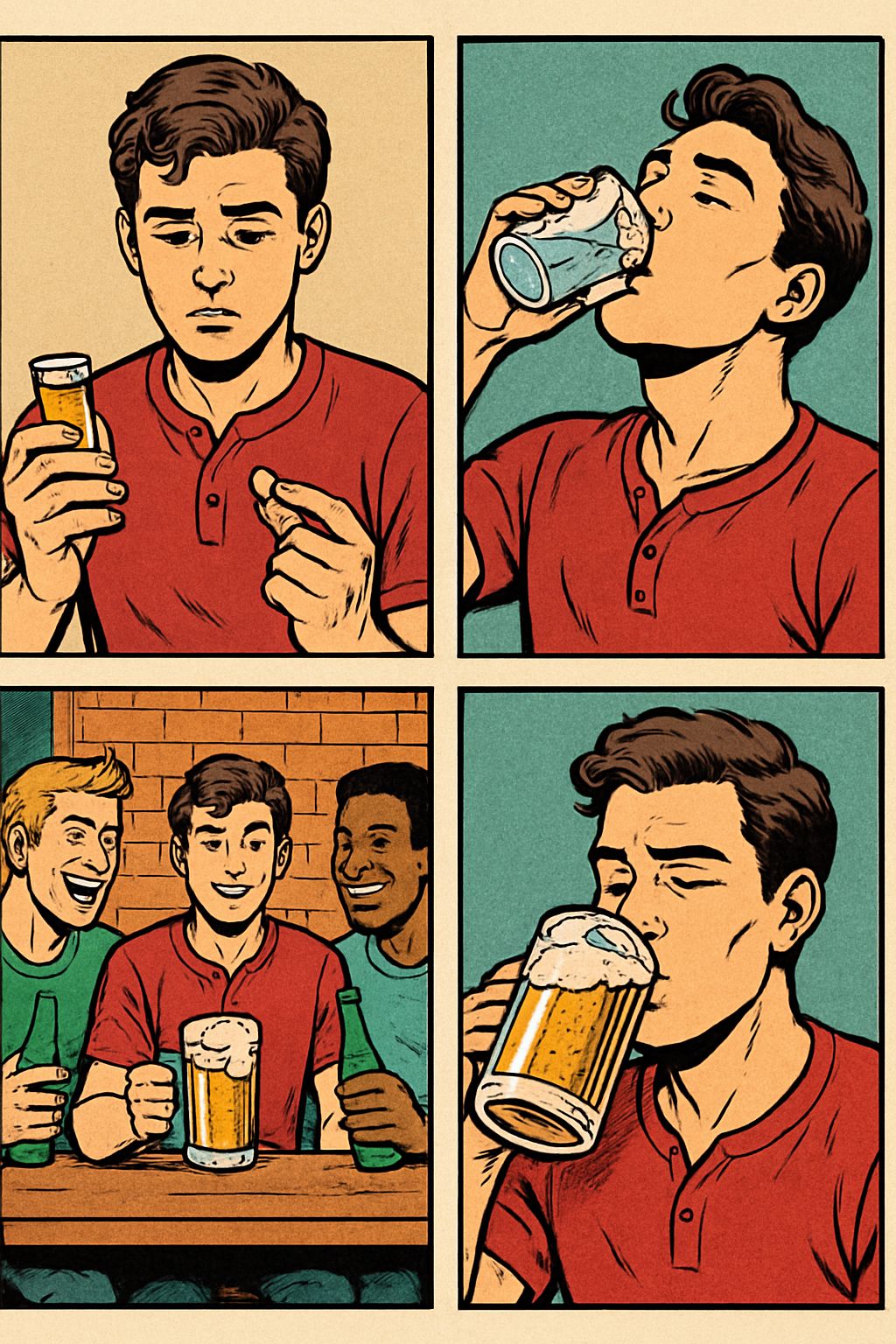
Most of us assume that we would know if our substance use progressed into abuse — but the truth is, that line is frequently crossed without anyone noticing.
Substance use and substance abuse are often lumped together, treated as if they describe the same behavior with different intensity. They don’t. They are distinct experiences with different psychological profiles, different consequences, and critically, different intervention needs. Understanding where one ends and the other begins is not just academic — it can be life-changing.
The confusion is understandable. Both involve conscious decisions to consume alcohol or drugs. Both are part of the same progression. But intention, frequency, and loss of control are what separate a glass of wine at dinner from a pattern that is quietly dismantling someone’s life.
What Is Substance Use?
Substance use is the casual, prescribed, or irregular consumption of drugs or alcohol. It includes a single exposure to a substance, social drinking, or following a doctor’s prescription guidelines without deviation. At this level, the substance does not control behavior — the person does.
- A person drinking at a social event without craving more afterward
- Taking a prescribed opioid after surgery and stopping when directed
- Occasionally using cannabis in a recreational setting without dependency forming
- Trying a substance once out of curiosity with no repeated behavior following
Not every person who engages in substance use will progress to abuse. Some individuals can consume moderate amounts of alcohol or other substances regularly without developing physical or psychological dependency. Vulnerability, genetics, mental health, and environment all influence whether use stays at this level or escalates.
Casual, Prescribed, and Irregular Use Defined
Prescribed use is perhaps the clearest category — a physician recommends a substance at a specific dose for a specific duration. When those boundaries are respected, it is substance use, not abuse. Casual use describes social or recreational consumption that remains within a person’s control and does not interfere with daily function. Irregular use simply means infrequent exposure without a pattern of dependence forming around it.
Why Society Accepts Substance Use as Normal
Alcohol is the most obvious example of how deeply normalized substance use has become. Drinking at celebrations, after work, or during social gatherings carries almost no cultural stigma. The same increasingly applies to cannabis in regions where legalization has shifted public perception. This normalization is not inherently dangerous, but it does create an environment where the progression from use to abuse can go unnoticed — both by the individual and by those around them.
When something is culturally accepted, warning signs get dismissed. A person drinking heavily every weekend may be told they are just unwinding. Someone relying on prescription sedatives may be reassured they are simply managing stress. The normalization of substance use makes it harder to see when patterns shift into something more serious.
What Is Substance Abuse?
Substance abuse is defined by a loss of control — an uncontrolled, habitual pattern of consuming drugs or alcohol where neglect, compulsion, and continued use despite consequences become the defining features. Unlike use, abuse is not casual or irregular. It is routine behavior driven increasingly by the substance itself rather than personal choice.
The Loss of Control That Defines Abuse
The clearest marker of substance abuse is that the person is no longer fully in control of their consumption. They may intend to have one drink and have six. They may plan to stop taking a medication but find reasons to keep going. Decisions start to be made around access to substances — social plans shift, responsibilities get deprioritized, and the substance begins to occupy a central role in daily life.
This is a critical turning point. At the use stage, substances fit around life. At the abuse stage, life begins to fit around substances.
Continuing Use Despite Consequences
One of the most telling signs of substance abuse is awareness without change. A person may know that their drinking is damaging their relationships, that their drug use is affecting their job performance, or that their health is deteriorating — and continue using anyway. This is not weakness. It reflects how powerfully substances can override the brain’s decision-making systems even before full addiction takes hold.
Why Abuse Is Less Severe Than Addiction, But Still Dangerous
Substance abuse has not yet produced the deep psychological dependency and neurological rewiring that defines addiction. This distinction matters because it means intervention at the abuse stage has a significantly higher chance of success. However, that should not be confused with safety. Substance abuse still carries very real risks — physical health deterioration, mental health decline, damaged relationships, and a direct pathway toward addiction if left unaddressed. For more insights into how psychological expectations can influence behavior, you can explore related research.
Substance Use vs. Abuse vs. Addiction: The Key Differences
Understanding where each stage begins and ends helps clarify what kind of support is needed — and how urgently.
How Substance Use Develops Into Abuse
The shift from use to abuse rarely happens overnight. It tends to be gradual — so gradual that most people cannot identify the exact moment things changed. What starts as occasional weekend drinking becomes nightly drinking. A prescription painkiller taken as directed becomes something sought out beyond the prescription. The progression is driven by the brain’s reward system, which registers the pleasurable effects of substances and begins to crave repetition.
Frequency is the first thing that changes. Then comes intensity — needing more of the substance to achieve the same effect. Then comes priority — rearranging life to ensure access. Each step moves further from use and deeper into abuse, and each step makes the next one easier to take without recognizing it for what it is.
How Abuse Escalates Into Addiction
Addiction emerges when psychological dependency takes hold and the brain’s neurological pathways have been restructured around the substance. At this point, stopping is not simply a matter of willpower — the brain has physically changed how it processes reward, stress, and decision-making. What began as a choice to use has become a compulsion the brain enforces.
The distinction between abuse and addiction is meaningful but not always visible from the outside. The key difference is the presence of deep psychological dependency, withdrawal symptoms that go beyond discomfort, and a complete loss of functional control. Someone in the abuse stage can still interrupt the cycle with the right support. Someone in addiction typically requires structured clinical intervention to do so safely.
The Role of Tolerance in the Progression
Tolerance is one of the most important — and most overlooked — indicators of escalation. When the body becomes accustomed to a substance, it requires more of it to produce the same effect. This is a biological process, not a personal failing, but it is a serious warning sign. Tolerance means the body has begun adapting to the presence of the substance, which is the early architecture of physical dependency.
A person who once felt the effects of two drinks and now needs five to feel the same way has developed tolerance. Someone who found relief from a prescribed dose and now doubles it without medical guidance is experiencing tolerance. Recognizing this pattern early is one of the most powerful ways to interrupt the progression from abuse toward addiction.
Six Questions to Gauge Where You Stand
Honestly assessing your own relationship with substances is difficult — but these six questions cut through the noise and give you a clear picture of where you actually stand.
Self-Assessment Framework: These questions are not a clinical diagnosis. They are a starting point for honest reflection. If several of these resonate with you, speaking with a professional is the most important next step you can take.
Answer each question honestly. There are no right or wrong responses — only accurate or inaccurate ones. The goal is clarity, not judgment. Each question targets a specific behavioral or physiological marker that clinicians use to identify substance abuse and the early stages of addiction.
What you discover may confirm what you already suspected, or it may reveal something you have been avoiding. Either way, knowing is always better than not knowing — because knowledge is where recovery begins.
1. Do You Consume Drugs or Alcohol Every Day?
Daily consumption does not automatically mean abuse — a glass of wine with dinner every night is not the same as daily dependence. The more important question is whether daily use is driven by habit, routine, or need. If skipping a day produces anxiety, irritability, or physical discomfort, daily use has moved well beyond casual substance use into territory that warrants serious attention.
2. Do You Experience Cravings?
Cravings are one of the clearest biological signals that substance use has shifted into abuse. A craving is not simply wanting a drink — it is a persistent, intrusive urge that occupies mental space and influences behavior. When thoughts about using a substance become frequent, difficult to dismiss, or tied to stress responses, the brain has already begun building a dependency loop that defines substance abuse.
3. Do You Make Decisions Around Getting Access to Substances?
This question gets at something most people do not openly admit. When social plans, daily routines, or even relationships are arranged — consciously or not — around ensuring access to drugs or alcohol, substances have taken a controlling position in life. Choosing a restaurant because it serves alcohol, or maintaining contact with certain people solely because of access to substances, are quiet but significant signs of abuse-level behavior.
4. Are You Aware of the Consequences and Use Anyway?
This is the question that separates substance use from abuse most sharply. Substance use exists in a space of low consequence or deliberate moderation. Substance abuse is characterized by continuing despite knowing the cost — damaged relationships, declining health, professional consequences, financial strain — and using anyway. Also consider exploring the psychology of how our brains fill in the blanks and how it can mislead us.
This is not a moral failure. It reflects the way substances interfere with the brain’s ability to weigh long-term consequences against short-term relief. But recognizing this pattern in yourself is a critical moment. It means the substance is influencing your decision-making in ways that have real consequences for your life.
5. Have You Built Up a Tolerance?
As discussed earlier, tolerance is both a warning sign and an accelerant. Once tolerance develops, the amount needed to achieve the same effect increases — and with it, the physical and psychological stakes of continued use. Tolerance also creates a false sense of control; because the person feels less affected, they may believe they have a handle on their use when in reality their dependency is deepening.
Tracking changes in how much you consume over time is one of the most concrete ways to assess tolerance. If the amounts have increased without a deliberate decision to increase them, tolerance is almost certainly a factor.
|
Stage |
Tolerance Present |
Craving Present |
Loss of Control |
|---|---|---|---|
|
Substance Use |
No |
No |
No |
|
Substance Abuse |
Developing |
Yes |
Partial |
|
Addiction |
Yes |
Intense |
Significant |
This progression is not inevitable — but it is common. Identifying which column reflects your current experience is a powerful first step toward understanding what kind of support you may need.
6. Do You Experience Withdrawal Symptoms?
Withdrawal symptoms are the body’s response to the absence of a substance it has become physically dependent on. These can range from mild — irritability, difficulty sleeping, headaches — to severe, including tremors, seizures, and intense psychological distress depending on the substance and duration of use. The presence of any withdrawal symptoms is a strong indicator that physical dependency has developed and that professional guidance is essential before attempting to stop.
Treatment Options for Substance Abuse
Catching substance abuse before it becomes addiction opens up a wider range of treatment options — and significantly improves the odds of long-term recovery. The earlier intervention happens, the less restructuring the brain has undergone, and the more accessible behavioral change becomes without intensive clinical support.
Treatment is not one-size-fits-all. The right approach depends on the substance involved, the severity of the abuse, the presence of co-occurring mental health conditions, and the individual’s personal circumstances. What works powerfully for one person may be inadequate for another — which is why professional assessment is always the starting point, not a last resort. You might explore expectations vs. reality in psychology for more info.
Detoxification as a Starting Point
For many people dealing with substance abuse, detoxification is the first clinical step. This is the process of allowing the body to clear itself of the substance under medical supervision. Medically supervised detox is not simply about comfort — for certain substances, including alcohol and benzodiazepines, unsupervised withdrawal can be life-threatening. Seizures, severe cardiovascular stress, and dangerous psychological episodes are all genuine risks when stopping certain substances abruptly without medical oversight.
Detox alone is not treatment. It addresses the physical dimension of dependency but does nothing to resolve the behavioral patterns, psychological triggers, or underlying vulnerabilities that drove substance abuse in the first place. Think of detox as clearing the ground — necessary, but only the beginning of what recovery actually requires.
Therapy and Long-Term Management
After detox, therapy is where the real work happens. Cognitive Behavioral Therapy (CBT) is one of the most evidence-supported approaches for substance abuse — it helps individuals identify the thought patterns and emotional triggers that lead to use, and builds practical coping strategies to replace them. Other effective modalities include Motivational Interviewing (MI), Dialectical Behavior Therapy (DBT) for those with co-occurring emotional dysregulation, and group-based approaches like 12-step programs that provide peer accountability alongside clinical support. Long-term management often combines individual therapy with structured aftercare planning, relapse prevention strategies, and in some cases, medication-assisted treatment to reduce cravings and stabilize recovery.
Early Action on Substance Abuse Leads to Better Recovery Outcomes
The research on this is consistent and clear — early intervention produces significantly better recovery outcomes than waiting until substance abuse has escalated into full addiction. At the abuse stage, psychological dependency is still forming, neurological changes are less entrenched, and the individual typically retains more functional capacity to engage with treatment. Every period of delay narrows the window and deepens the complexity of what recovery will require.
If any of the six questions in this article resonated with you — or if you recognized someone you care about in what you have read — the most important action you can take is to seek a professional assessment now, not when things get worse. Substance abuse does not resolve on its own. But with the right support at the right time, recovery is not only possible — it is the most likely outcome.
Frequently Asked Questions
Below are the most common questions people have when trying to understand the difference between substance use and abuse. These answers are intended to give you clear, direct information — not to replace professional advice, but to help you take the next step with confidence.
What is the main difference between substance use and substance abuse?
Substance use is the casual, prescribed, or irregular consumption of drugs or alcohol where the person maintains control and consequences remain minimal. Substance abuse is defined by loss of control, habitual use, continued consumption despite negative consequences, and the beginning of dependency. The core distinction is not what is consumed — it is the degree of control, frequency, and impact on daily life. Understanding the psychology of expectations vs. reality can also play a role in how individuals perceive their substance use.
Can someone use drugs or alcohol regularly without it becoming abuse?
Yes — not every person who uses substances regularly will develop abuse-level patterns. Factors like genetics, mental health, environment, and personal vulnerability all influence whether regular use remains manageable or escalates. However, regular use does increase exposure to the conditions that make abuse more likely, particularly as tolerance develops over time. Honest self-monitoring using the six questions outlined in this article is one of the most effective tools for staying aware of where regular use currently stands. Exploring the concept of taking things personally might provide additional insights also.
What are the early warning signs of substance abuse?
Early Warning Signs of Substance Abuse: These signs do not confirm abuse on their own, but the presence of multiple indicators — especially consistently over time — is a strong signal that professional assessment is needed.
|
Warning Sign |
What It Looks Like |
Why It Matters |
|---|---|---|
|
Increasing frequency of use |
Using more often than intended or planned |
Indicates loss of control over consumption |
|
Developing tolerance |
Needing more of the substance to feel the same effect |
Early sign of physical dependency forming |
|
Cravings |
Persistent, intrusive urges to use |
Signals the brain has begun building a dependency loop |
|
Using despite consequences |
Continuing after negative outcomes at work, home, or health |
Defining marker of abuse over use |
|
Rearranging life around substances |
Making decisions based on access to drugs or alcohol |
Substance has taken a controlling role in behavior |
|
Withdrawal symptoms |
Irritability, anxiety, physical discomfort when not using |
Confirms physical dependency has developed |
These warning signs are most meaningful when they appear together and persist over time. A single bad week of heavy drinking following a significant life stressor is different from a pattern of escalating use that has continued for months. Context matters — but patterns matter more.
If you recognize three or more of these warning signs in your own behavior — or in someone close to you — that is a strong signal to seek a professional assessment rather than waiting to see if things improve on their own. Substance abuse rarely self-corrects without intervention.
How does substance abuse differ from addiction?
Substance abuse and addiction exist on the same continuum, but they are not the same condition. Substance abuse is characterized by compulsive, habitual use with partial loss of control — but at this stage, full psychological dependency has not yet taken hold, and the neurological changes that define addiction are still in early formation. For a deeper understanding of how our minds work, explore why your brain fills in the blanks and how it can mislead you.
Addiction represents a further and more severe stage where the brain has been structurally changed by prolonged substance exposure. At this point, the compulsion to use is no longer simply behavioral — it is neurological. Key differences include:
- Control: Substance abuse involves partial loss of control; addiction involves near-complete loss of control over use
- Dependency: Abuse may involve developing tolerance; addiction involves entrenched physical and psychological dependency
- Withdrawal: Abuse may produce mild withdrawal; addiction typically produces severe, clinically significant withdrawal symptoms
- Brain changes: Abuse is associated with early neurological shifts; addiction reflects deep structural changes in reward and decision-making pathways
- Treatment complexity: Abuse can often be addressed with outpatient support; addiction frequently requires intensive, structured clinical intervention
Understanding this difference is not about minimizing substance abuse — it is about recognizing that abuse-stage intervention is both more accessible and more likely to succeed than waiting until addiction has fully developed.
When should someone seek professional help for substance abuse?
The honest answer is: sooner than you think you need to. Most people wait until a crisis forces the issue — a serious health event, a relationship breakdown, a professional consequence. By that point, abuse has typically escalated significantly, and what could have been addressed with outpatient therapy now requires more intensive intervention.
If you answered yes to two or more of the six self-assessment questions in this article, that is a clear signal to speak with a professional. You do not need to have hit rock bottom. You do not need to be certain that you have a problem. Uncertainty itself is reason enough to get a professional opinion — because the cost of asking is nothing compared to the cost of waiting.
Professional support is available at every stage of the substance use spectrum, from early-stage abuse through to full addiction recovery. whether that is a conversation, an assessment, or a structured treatment program tailored to their specific needs.