
Article-At-A-Glance
- Adverse Childhood Experiences (ACEs) are traumatic events before age 18 that can reshape mental and physical health well into adulthood — and the more ACEs a person has, the worse the outcomes tend to be.
- The landmark CDC-Kaiser ACE Study, one of the largest investigations of its kind, found that over 60% of U.S. adults report at least one ACE, linking these experiences to chronic disease, depression, and early death.
- ACEs don’t just affect the mind — toxic stress from childhood trauma physically alters brain development and body systems in ways that can drive heart disease, diabetes, and substance misuse decades later.
- Positive Childhood Experiences (PCEs) can measurably reduce the damage caused by ACEs, even in adults who experienced multiple forms of adversity — more on that later in the article.
- Generational cycles of childhood adversity are real, but awareness and early intervention are proven tools for breaking them.
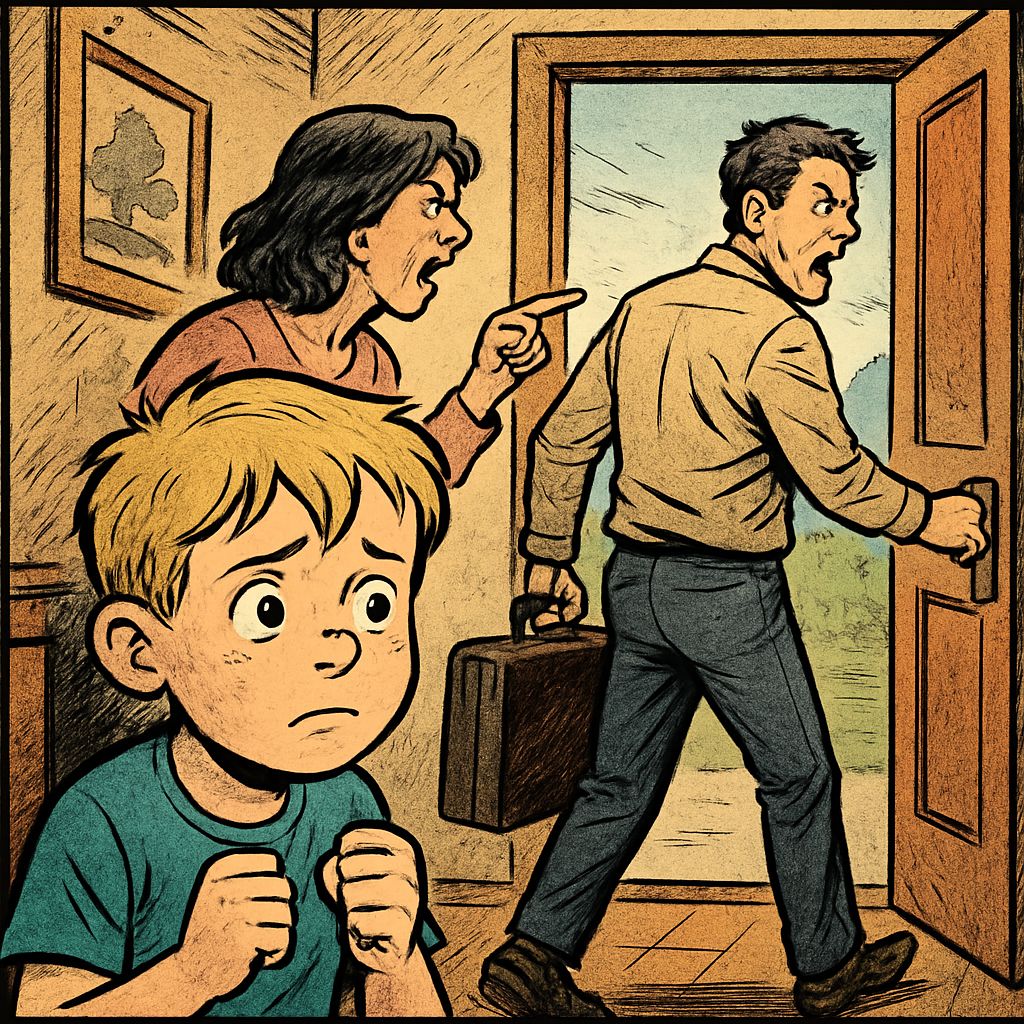
Childhood trauma doesn’t stay in childhood — it follows people into their adult bodies, relationships, and health outcomes in ways that are only now being fully understood.
What happens to us before the age of 18 can quietly shape the trajectory of our entire lives. From the risk of heart disease to struggles with anxiety and addiction, adverse childhood experiences (ACEs) leave biological and psychological fingerprints that show up decades later. Understanding these effects isn’t just academically interesting — it’s essential for anyone trying to make sense of their own health, or the health of someone they love.
Childhood Adversity Leaves a Lasting Mark on Adult Health
The connection between what happens in childhood and what happens in adulthood is stronger than most people realize. Adversity experienced early in life doesn’t simply fade with time — it embeds itself into the body’s stress response systems, shaping how a person reacts to challenges, relationships, and even illness for the rest of their life.
What Counts as an Adverse Childhood Experience (ACE)?
An ACE is any traumatic or highly stressful experience that occurs before the age of 18. These aren’t limited to dramatic or visible forms of abuse. The CDC categorizes ACEs across three broad domains:
- Abuse: Physical, emotional, or sexual abuse
- Neglect: Physical or emotional neglect
- Household dysfunction: Exposure to domestic violence, substance misuse in the home, mental illness in a caregiver, parental separation or divorce, or having an incarcerated family member
What makes ACEs particularly insidious is that they rarely travel alone. Exposure to one type of adversity significantly increases the odds of being exposed to another. A child growing up in a home with substance misuse, for example, is far more likely to also experience emotional neglect or domestic violence.
The Dose-Response Pattern: More ACEs, Worse Outcomes
One of the most important findings in ACE research is the dose-response relationship: as a person’s ACE score increases, so does their risk for poor health outcomes in adulthood. This isn’t a loose correlation — it’s a consistent, documented pattern seen across multiple large-scale studies. Someone with an ACE score of four or more faces dramatically higher risks for depression, chronic disease, and early death compared to someone with a score of zero.
The CDC-Kaiser ACE Study Changed Everything We Know
Before the CDC-Kaiser Permanente ACE Study was published in 1998 by Felitti and colleagues, the medical community largely treated mental health and physical health as separate conversations. This study changed that. It drew a direct, data-backed line between childhood trauma and the leading causes of adult death and disease — and the medical world has never looked at patient history the same way since.
Key Finding: The CDC-Kaiser ACE Study found that ACEs are common, consequential, and cumulative. Over 60% of U.S. adults report experiencing at least one ACE, and nearly 1 in 6 report four or more. The study linked high ACE scores to increased risk for seven of the ten leading causes of death in the United States.
How the ACE Study Was Conducted
The study was conducted between 1995 and 1997 with more than 17,000 adult members of Kaiser Permanente’s health plan in San Diego, California. Participants completed surveys about their childhood experiences and their current health status. Researchers then cross-referenced those responses with medical records to identify patterns. While the sample was largely white, middle-class, and college-educated — which limits some generalizability — the sheer scale and rigor of the study made it a landmark in public health research.
The 10 ACEs the Study Tracks
|
Category |
ACE Type |
|---|---|
|
Abuse |
Physical abuse |
|
Abuse |
Emotional abuse |
|
Abuse |
Sexual abuse |
|
Neglect |
Physical neglect |
|
Neglect |
Emotional neglect |
|
Household Dysfunction |
Domestic violence (witnessing) |
|
Household Dysfunction |
Substance misuse in household |
|
Household Dysfunction |
Mental illness in household |
|
Household Dysfunction |
Parental separation or divorce |
|
Household Dysfunction |
Incarcerated household member |
What the Data Revealed About Long-Term Health
The results were striking. People with four or more ACEs were significantly more likely to develop heart disease, lung disease, liver disease, depression, and to attempt suicide compared to those with no ACEs. The study also revealed that ACEs contribute to risky behaviors — smoking, heavy drinking, drug use — which then become their own independent risk factors for disease. In other words, ACEs don’t just damage health directly; they often set off a cascade of behavioral responses that compound the harm over decades.
How Childhood Adversity Affects Mental Health in Adulthood
The mental health consequences of ACEs are among the most well-documented outcomes in the research. Childhood adversity doesn’t just cause momentary distress — it can fundamentally alter how the brain develops, how the nervous system responds to stress, and how a person processes emotion and relationships throughout their entire life.
The Link Between ACEs and Depression
Depression is one of the most consistently reported outcomes associated with high ACE scores. Multiple studies using the original CDC-Kaiser data have linked ACE scores directly to depressed affect and clinical depression diagnoses. The relationship isn’t subtle — the higher the ACE score, the stronger the association with depression in adulthood. Researchers have found that exposure to multiple ACEs can have a pronounced and compounding effect on mental health outcomes, with each additional adversity increasing vulnerability to depressive episodes. This is because your brain treats everyday stress like a real threat, exacerbating the effects of adverse experiences.
ACEs Cost Depressed Individuals an Average of 28.9 Quality-Adjusted Life Years
The burden of depression linked to ACEs isn’t just emotional — it’s measurable in lost years of healthy life. Research has quantified this loss at an average of 28.9 quality-adjusted life years (QALYs) for individuals with depression tied to adverse childhood experiences. That’s nearly three decades of reduced quality of life, a number that puts the true cost of childhood adversity into sharp, undeniable focus.
What Is a QALY? A quality-adjusted life year (QALY) measures both the quantity and quality of life lived. One QALY equals one year of perfect health. A score of 28.9 lost QALYs means that, on average, a person with ACE-linked depression loses the equivalent of nearly 29 years of full, healthy living — not necessarily years off their life, but years lived with significantly diminished wellbeing and function.
This figure helps explain why ACE-informed care is becoming a priority in clinical settings. When depression isn’t treated through the lens of its root causes — including early childhood trauma — interventions often fall short. Standard antidepressant protocols, for example, may address the symptoms without ever touching the underlying neurological and psychological patterns set in motion during childhood.
The implication for healthcare providers is significant. Screening for ACEs during routine medical and mental health visits allows clinicians to better understand why a patient’s depression may be treatment-resistant, recurrent, or unusually severe. Trauma-informed care models are increasingly being adopted precisely because of data like this — recognizing that the past is always present in the body.
Anxiety, PTSD, and Other Mental Health Conditions Tied to ACEs
Depression is far from the only mental health consequence of childhood adversity. ACEs are strongly associated with anxiety disorders, post-traumatic stress disorder (PTSD), and a range of other conditions including borderline personality disorder, dissociation, and attachment difficulties. Children who experience repeated trauma develop nervous systems that are essentially wired for threat detection — hypervigilant, reactive, and exhausted. That wiring doesn’t simply switch off in adulthood.
PTSD, in particular, is closely tied to early abuse and neglect. Adults who experienced physical or sexual abuse as children are significantly more likely to meet diagnostic criteria for PTSD, even when the traumatic events occurred decades earlier. The brain’s threat-response system — particularly the amygdala and prefrontal cortex — can remain dysregulated long after the original danger has passed, causing the body to respond to ordinary stressors as if they were life-threatening emergencies. This dysregulation can be further exacerbated by the psychological effects of sleep deprivation, which often accompanies PTSD.
The Physical Health Consequences Are Just as Serious
It would be a mistake to think of childhood adversity as purely a mental health issue. The body keeps score in very literal ways. ACEs trigger a biological stress response that, when activated repeatedly during childhood development, can cause lasting damage to the cardiovascular, immune, and endocrine systems — setting the stage for chronic illness decades before any diagnosis is made.
Chronic Disease Risk Rises With ACE Score
The CDC-Kaiser data revealed a clear and troubling pattern: individuals with higher ACE scores face significantly elevated risks for some of the most serious chronic diseases of adulthood. Those with four or more ACEs were found to have higher rates of ischemic heart disease, cancer, chronic lung disease, skeletal fractures, and liver disease compared to those with no ACEs. The risk isn’t marginal — in some categories, it’s more than double. This dose-response pattern has been replicated across subsequent studies using Behavioral Risk Factor Surveillance System (BRFSS) data, strengthening the case that the relationship between ACEs and chronic disease is not coincidental but causal.
Toxic Stress and Its Effect on the Developing Body
Understanding Toxic Stress: Not all stress is harmful. Positive stress (brief, manageable challenges) and tolerable stress (serious but buffered by supportive relationships) are normal parts of development. Toxic stress occurs when a child experiences strong, frequent, or prolonged adversity without adequate adult support. This type of stress can disrupt the development of brain architecture and organ systems in ways that persist into adulthood.
When a child’s stress response system is activated repeatedly and without relief, the body essentially gets stuck in a state of high alert. Cortisol — the body’s primary stress hormone — floods the system chronically, rather than in the short bursts it was designed for. Over time, this chronic cortisol exposure damages the hippocampus (affecting memory and learning), suppresses immune function, increases inflammation, and disrupts the regulation of blood pressure and blood sugar.
These aren’t abstract risks. Chronic inflammation driven by early toxic stress is now understood to be a key mechanism linking ACEs to adult diseases like type 2 diabetes, cardiovascular disease, and autoimmune conditions. The body’s inflammatory response, meant to protect against short-term threats, becomes a long-term liability when it’s never allowed to fully switch off.
Brain development is particularly vulnerable during early childhood. The prefrontal cortex — responsible for decision-making, impulse control, and emotional regulation — is still forming well into early adulthood. Chronic stress during this window can impair its development, making it harder for affected individuals to manage emotions, maintain relationships, or make consistently healthy choices later in life. This isn’t a character flaw; it’s a neurological consequence of surviving a difficult environment.
What makes this even more complex is that the effects of toxic stress can be difficult to detect until they manifest as disease or behavioral problems years down the line. A child may appear to be functioning well on the surface while their body is quietly accumulating the biological burden of unrelenting stress — a burden that often doesn’t show up in a doctor’s office until middle age.
Risky Behaviors That Often Follow Childhood Adversity
One of the more nuanced findings from ACE research is that many of the risky behaviors associated with poor health outcomes — smoking, heavy drinking, drug use, overeating — aren’t random. For many people, they develop as direct coping responses to the emotional pain and neurological dysregulation caused by childhood trauma. Understanding this reframes these behaviors not as moral failures, but as adaptive strategies that came at a steep long-term cost.
The CDC-Kaiser study found that as ACE scores increased, so did rates of smoking, alcoholism, illicit drug use, and high numbers of sexual partners. These behaviors then independently elevate the risk for cancer, heart disease, liver disease, and sexually transmitted infections — creating a second wave of health consequences that compounds the damage already done by the adversity itself.
Smoking and Nicotine Dependence
Nicotine is a powerful stress-reliever, and for someone who grew up in a chronically stressful environment, cigarettes can feel like one of the few things that works. Research consistently shows that individuals with higher ACE scores are more likely to start smoking at a younger age, smoke more heavily, and find it significantly harder to quit. The neurological pathways shaped by early trauma — specifically those governing reward, relief, and impulse control — make nicotine dependence both more likely to develop and harder to break without addressing the underlying trauma.
Alcohol Misuse and Substance Abuse as Coping Mechanisms
Alcohol and drug use follow a similar pattern. For individuals who grew up without adequate emotional support or safe environments, substances offer a temporary neurochemical escape from hypervigilance, emotional numbness, or intrusive memories. The CDC-Kaiser data showed a graded relationship between ACE scores and the likelihood of being diagnosed with alcoholism — with those at the highest ACE scores facing the greatest risk.
This doesn’t mean that every person who experiences ACEs will develop a substance use disorder. Protective factors like strong social support, access to mental health care, and positive adult relationships can significantly buffer these outcomes. But without those buffers, the pull toward substance use as a coping mechanism is both psychologically and neurologically understandable — even as it drives further health deterioration over time.
Positive Childhood Experiences Can Counter the Damage
Here is where the narrative shifts — and it’s an important shift. While the research on ACEs paints a sobering picture, newer studies have shown that positive childhood experiences (PCEs) can act as a meaningful buffer against the long-term damage of adversity. This doesn’t erase trauma, but it does offer a genuine reason for hope, both for those looking back at their own childhoods and for those trying to support children today. For instance, understanding how emotional regulation improves every area of life can be a crucial part of fostering resilience in children.
Warm Relationships and a Sense of Belonging Make a Measurable Difference
Positive childhood experiences include things like having at least one stable, caring adult in a child’s life, feeling a sense of belonging at school, having friends one could count on, and participating in community or faith-based groups. These aren’t luxuries — they are biological and psychological necessities that help regulate the stress response, build resilience, and provide the emotional scaffolding children need to navigate difficulty without lasting damage.
Research published in JAMA Pediatrics found that adults who reported higher levels of positive childhood experiences had significantly lower odds of depression and poor mental health, even when controlling for ACE scores. The protective effect was observed across all ACE levels — meaning that even individuals who had experienced multiple forms of adversity showed better mental health outcomes when they also recalled meaningful positive experiences during childhood.
PCEs vs. ACEs — What the Research Shows:
Adults with high PCE scores reported:
• Lower rates of depression across all ACE score categories
• Greater likelihood of flourishing social and emotional health
• Higher resilience scores even in the presence of multiple ACEsThis suggests that building positive experiences isn’t just feel-good advice — it’s a measurable public health intervention with real outcomes.
The key takeaway here is that the presence of a single trusted, consistent adult relationship during childhood can materially alter the long-term health trajectory of a child experiencing adversity. Schools, community programs, mentors, extended family members, and healthcare providers all have a role to play in becoming that stabilizing presence — and the evidence strongly suggests it matters more than most people realize.
Lower Depression Rates Seen Across All ACE Scores With Positive Experiences
The data on positive childhood experiences and depression is striking. Studies show that adults who report more positive childhood experiences consistently show lower rates of depression — and this holds true even among those with high ACE scores. In other words, positive experiences don’t cancel out adversity, but they do appear to soften its grip on mental health in measurable, lasting ways. This finding has reshaped how researchers and clinicians think about resilience — not as an innate personality trait, but as something that can be actively cultivated through relationships and environment.
Childhood Adversity Can Be Passed Down Across Generations
One of the most sobering dimensions of ACE research is the evidence that childhood adversity doesn’t always stop with the person who experienced it. Parents who carry unresolved trauma from their own childhoods are at higher risk of exposing their children to similar adversities — not out of malice, but because the neurological and psychological patterns set in motion by their own ACEs can affect their parenting capacity, emotional availability, and stress tolerance. This is what researchers refer to as intergenerational transmission of trauma. A parent struggling with untreated depression, substance misuse, or difficulty regulating emotion — all of which are linked to high ACE scores — may inadvertently recreate the very conditions that shaped their own childhood pain. Breaking this cycle requires more than good intentions; it requires access to trauma-informed support, mental health care, and community resources that address root causes rather than surface behaviors.
Breaking the Cycle Starts With Awareness and Action
The most powerful thing ACE research has given us is language — a framework for understanding why so many adults struggle with depression, chronic illness, or self-destructive patterns that seem disconnected from their present-day circumstances. When someone understands that their body’s stress response was literally shaped by their earliest experiences, it shifts the question from “What is wrong with me?” to “What happened to me?” — and that shift is the beginning of meaningful change.
Effective responses to childhood adversity work on multiple levels. At the individual level, trauma-focused therapies like Trauma-Focused Cognitive Behavioral Therapy (TF-CBT), Eye Movement Desensitization and Reprocessing (EMDR), and somatic therapies have shown real results in helping adults process and integrate early trauma. At the community level, programs that strengthen family support systems, reduce economic stress, and increase access to safe housing and mental health care address the conditions that make ACEs more likely in the first place. The research is clear: prevention is possible, and recovery — while not always linear — is real. For more insights, explore why your brain treats everyday stress like a real threat.
Frequently Asked Questions
Below are answers to the most common questions people have when learning about adverse childhood experiences and their long-term effects.
What are the most common adverse childhood experiences?
The most commonly reported ACEs include emotional abuse, physical abuse, and growing up with a household member who misused alcohol or drugs. Parental separation or divorce is also among the most frequently reported, followed by emotional neglect and domestic violence exposure. According to CDC data, emotional abuse and household substance misuse consistently rank among the highest in prevalence across U.S. adult populations. Importantly, most people who report one ACE also report at least one additional ACE — reinforcing the understanding that adversity tends to cluster rather than occur in isolation.
Can the effects of childhood adversity be reversed in adulthood?
The effects of childhood adversity can be significantly reduced through targeted intervention, though the word “reversed” requires some nuance. The brain retains a degree of neuroplasticity throughout life, meaning that therapeutic interventions, stable relationships, and lifestyle changes can genuinely alter how the nervous system responds to stress. Trauma-focused therapies like EMDR and TF-CBT have demonstrated measurable changes in stress reactivity, emotional regulation, and depression symptoms in adults with high ACE scores. Physical health risks linked to ACEs — while not erased — can also be mitigated through early detection, lifestyle modification, and medical management. The goal isn’t to rewrite history, but to interrupt the biological and behavioral pathways through which that history continues to cause harm.
How does childhood trauma affect the brain long-term?
Childhood trauma affects the brain primarily through its impact on three key regions: the amygdala (the brain’s alarm system), the hippocampus (involved in memory and learning), and the prefrontal cortex (responsible for decision-making and emotional regulation). Chronic toxic stress during childhood can cause the amygdala to become hyperreactive — essentially stuck in threat-detection mode — while impairing the prefrontal cortex’s ability to apply the brakes. The hippocampus, highly sensitive to cortisol, can actually shrink in volume under conditions of prolonged stress, affecting memory consolidation and the ability to distinguish past threats from present safety. These neurological changes help explain why adults with high ACE scores often struggle with impulse control, emotional regulation, and relationship stability — not because of personal weakness, but because of how their brains were literally shaped by early experience.
What is a high ACE score and what does it mean for my health?
ACE scores are calculated by counting the number of ACE categories a person experienced before age 18, with a maximum score of 10. A score of four or more is generally considered high and is associated with significantly elevated health risks. The CDC-Kaiser ACE Study found that individuals with four or more ACEs were more than twice as likely to be diagnosed with heart disease and cancer compared to those with a score of zero. They also showed dramatically higher rates of depression, suicide attempts, alcoholism, and intravenous drug use.
It’s important to understand that an ACE score is not a destiny — it’s a risk indicator. Many people with high ACE scores lead healthy, fulfilling lives, particularly when they have had access to supportive relationships, mental health care, and other protective factors. The score is most useful as a clinical and self-awareness tool: a way of understanding why certain health challenges may be more persistent or difficult to treat, and a prompt to seek care that takes early life experience into account.
How can positive childhood experiences protect against the effects of ACEs?
Positive childhood experiences protect against ACEs primarily by building the neurological and psychological infrastructure of resilience. When a child has at least one stable, caring adult relationship, they develop a more regulated stress-response system — one that can return to baseline after a threat passes rather than remaining stuck in hyperarousal. This biological buffering effect is why the presence of a trusted adult is considered one of the single most protective factors in child development.
Social connection plays an equally important role. Children who feel a sense of belonging — whether at school, in a faith community, or among peers — develop stronger emotional regulation skills and a more secure sense of identity. These qualities act as internal resources that help individuals navigate adversity without being overwhelmed by it. Research published in JAMA Pediatrics found that higher PCE scores were associated with significantly lower odds of depression and poor mental health in adulthood, even among individuals with multiple ACEs.
For adults who didn’t have the benefit of positive childhood experiences, it’s worth knowing that therapeutic relationships and community connection can serve a similar function later in life. The brain’s capacity for change means that safe, consistent relationships in adulthood — with therapists, partners, mentors, or community groups — can help rewire some of the stress-response patterns shaped by early adversity. It’s not the same as growing up in a safe environment, but it is a meaningful and evidence-supported path toward healing.