
Cognitive (Thinking)
-
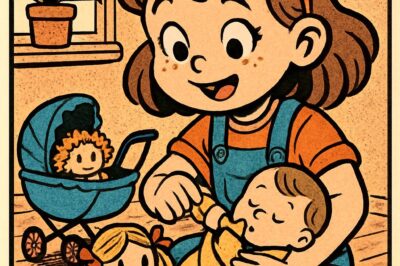
The Psychology of Having to “Grow Up” Early
Many who ‘grow up’ early develop survival patterns that shaped them in childhood. They may seem fine outwardly, yet beneath their competence, outdated protective responses linger. Unpacking these patterns is key to understanding their roots, enabling true change and personal growth…
-
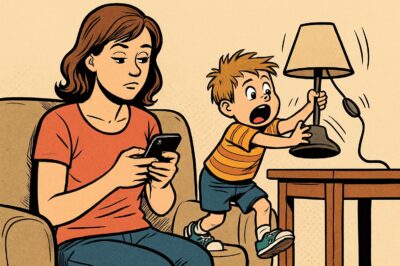
How Parenting Styles Can Influence Emotional Development
Parenting styles shape a child’s emotional skills from infancy. Authoritative parenting, balancing warmth and boundaries, fosters strong emotional regulation. Other styles like authoritarian and permissive carry emotional costs. Parenting isn’t fixed—small changes yield big results. Learn how the right approach nurtures lifelong emotional capabilities in your child…
-
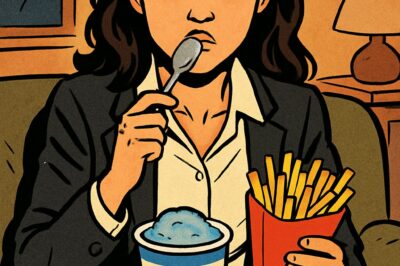
You Should Get Better at Failing: Setback Psychology
Failing well is an underrated skill that few teach. Setbacks aren’t roadblocks; they’re redirects that offer lessons, not losses. The secret to bouncing back lies in mindset. Learn to transform setbacks into advantages by developing a growth-centered mentality and turning discomfort into a tool for growth…
-
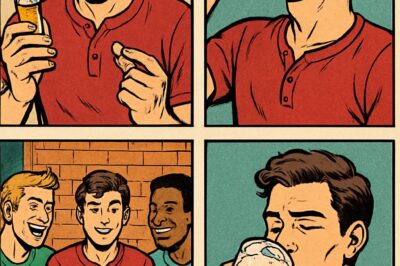
Substance Use Vs. Abuse and Addiction
Substance use and abuse are often confused, but they differ significantly in frequency, control, and impact. Recognizing the transition from use to abuse is crucial for early intervention. Learn the signs and take proactive steps to prevent escalation, ensuring healthier outcomes and aiding recovery efforts…
-

That Moment When a Compliment Makes You Uncomfortable
Ever feel awkward when someone compliments you? You’re not alone. Many of us find praise uncomfortable due to how our brains perceive social dynamics and self-image. Learn why this happens and discover simple strategies to embrace compliments with ease…
-

Are You Actually Listening or Just Waiting to Respond?
In conversations, are you truly listening or just waiting for your turn to speak? Discover how to shift from reactive to genuinely present with six effective strategies. Your relationships and communication skills could transform if you embrace the power of listening — and silence…
-

Zeigarnik and Ovsiankina: Open and Closed Loops in Psychology
Your brain treats unfinished tasks like open files—active in working memory, consuming mental energy until resolved. The Zeigarnik Effect, discovered in 1927, shows that interrupted tasks are remembered better. Understanding these open loops is key to managing mental bandwidth and boosting creativity and problem-solving…
-

Death, Dying, and Acceptance
Accepting death is one of life’s greatest challenges. It’s universal yet deeply personal. Grief’s stages—denial, anger, bargaining, depression, acceptance—are not linear. Each journey is unique, shaped by personal experiences. Embracing death’s certainty can be transformative, but requires confronting societal taboos and nurturing a profound peace within ourselves…
-

Why Changing Your Identity Can Be More Powerful Than Setting Goals
Most goals fail not because of a lack of ambition, but because our identity hasn’t evolved. Instead of merely setting goals, transform your identity and watch lasting change unfold. Every small action is a vote for the person you’re becoming, reshaping self-perception into sustainable success…
-

Why Your Brain Fills in the Blanks and How It Can Mislead You
Our brains actively construct our perception of reality, filling in gaps with prediction and memory. This process, naturally occurring every second of our lives, can sometimes mislead us, causing distortions in how we see, hear, and remember. Understanding this helps us catch potential brain errors before they occur…